Seattle in Spring: Best Things to do With Kids (March-May)
THIS POST MAY CONTAIN AFFILIATE LINKS. WHEN YOU CLICK ON THESE LINKS WE RECEIVE COMPENSATION, AT NO EXPENSE TO YOU, THAT HELPS THIS BLOG RUN. ALL OPINIONS ARE OUR OWN.
While Seattle summers are unmatched, spring in Seattle is just magical. It is a season of beautiful color, mild temperatures, and a great mix of rainy and sunny days. The brilliant blooms from the fields of tulips to cherry blossom trees raining blooms. The sun making a regular appearance again after months of just glimpses. There is so much to explore within the city and just a short drive outside of it. This article will go over the best things to do in Seattle with kids in tow - whether you are visiting for the first time or if you are a local.
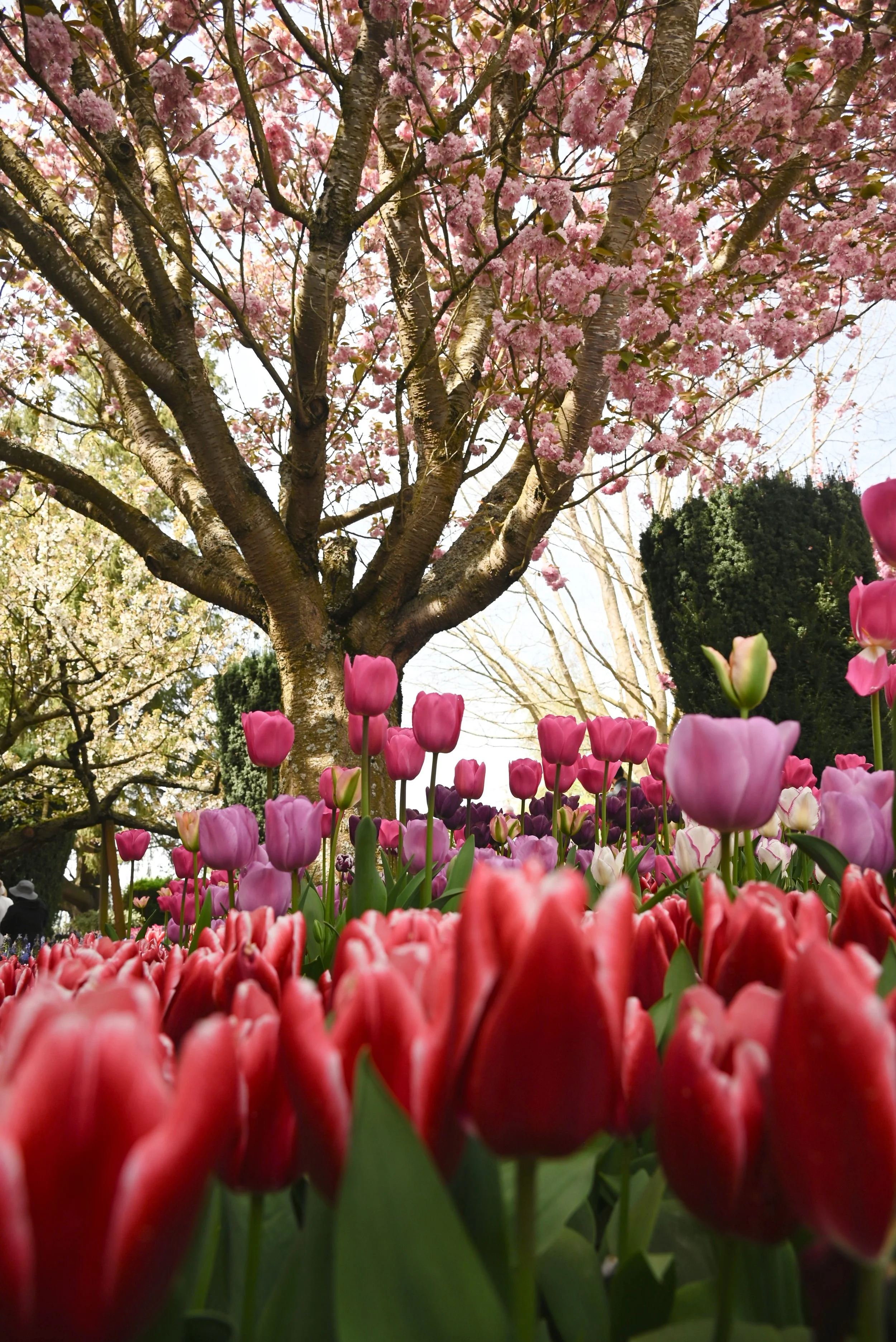
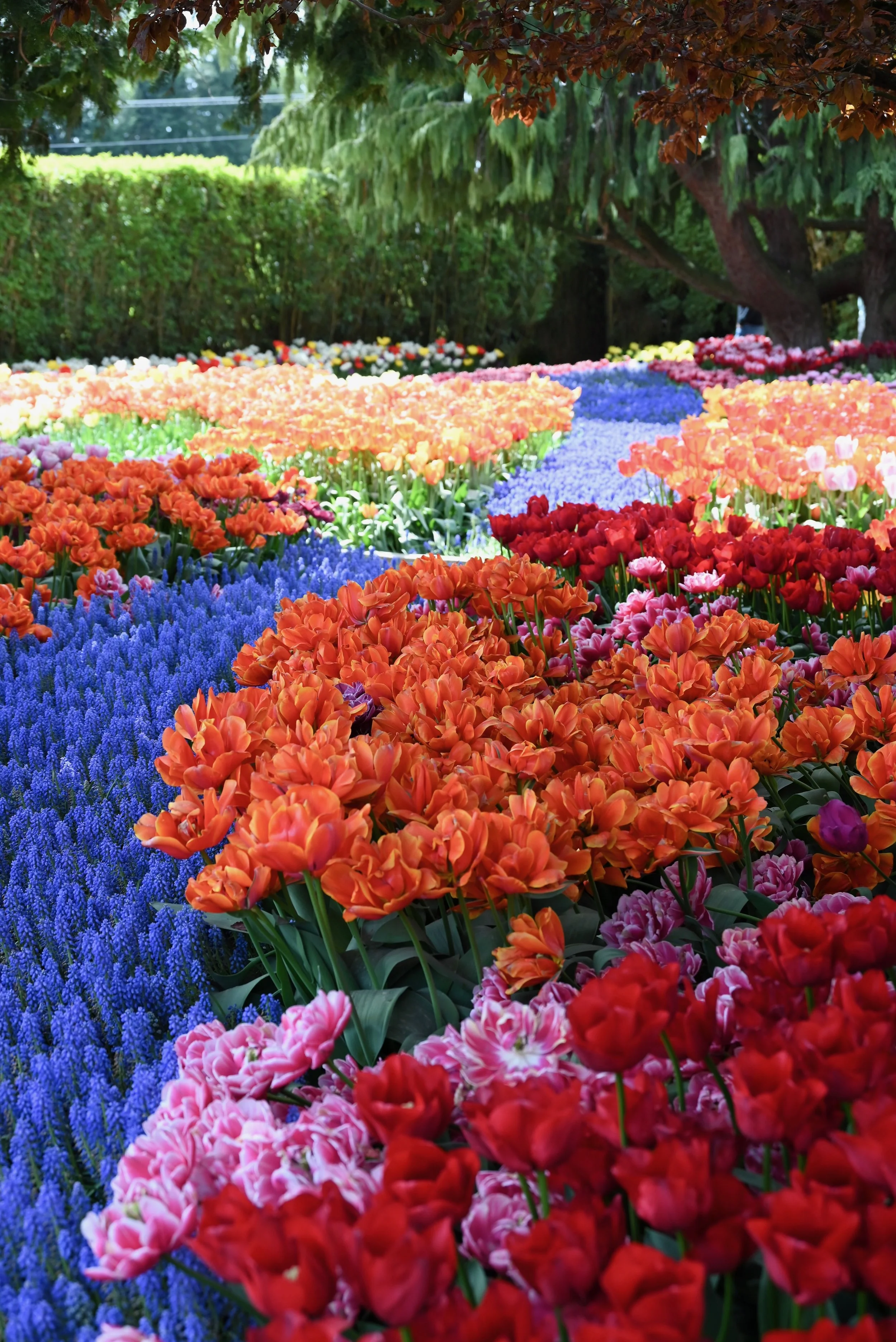
Tulips and a cherry blossom tree at Roozengarde tulip farm, April 23rd
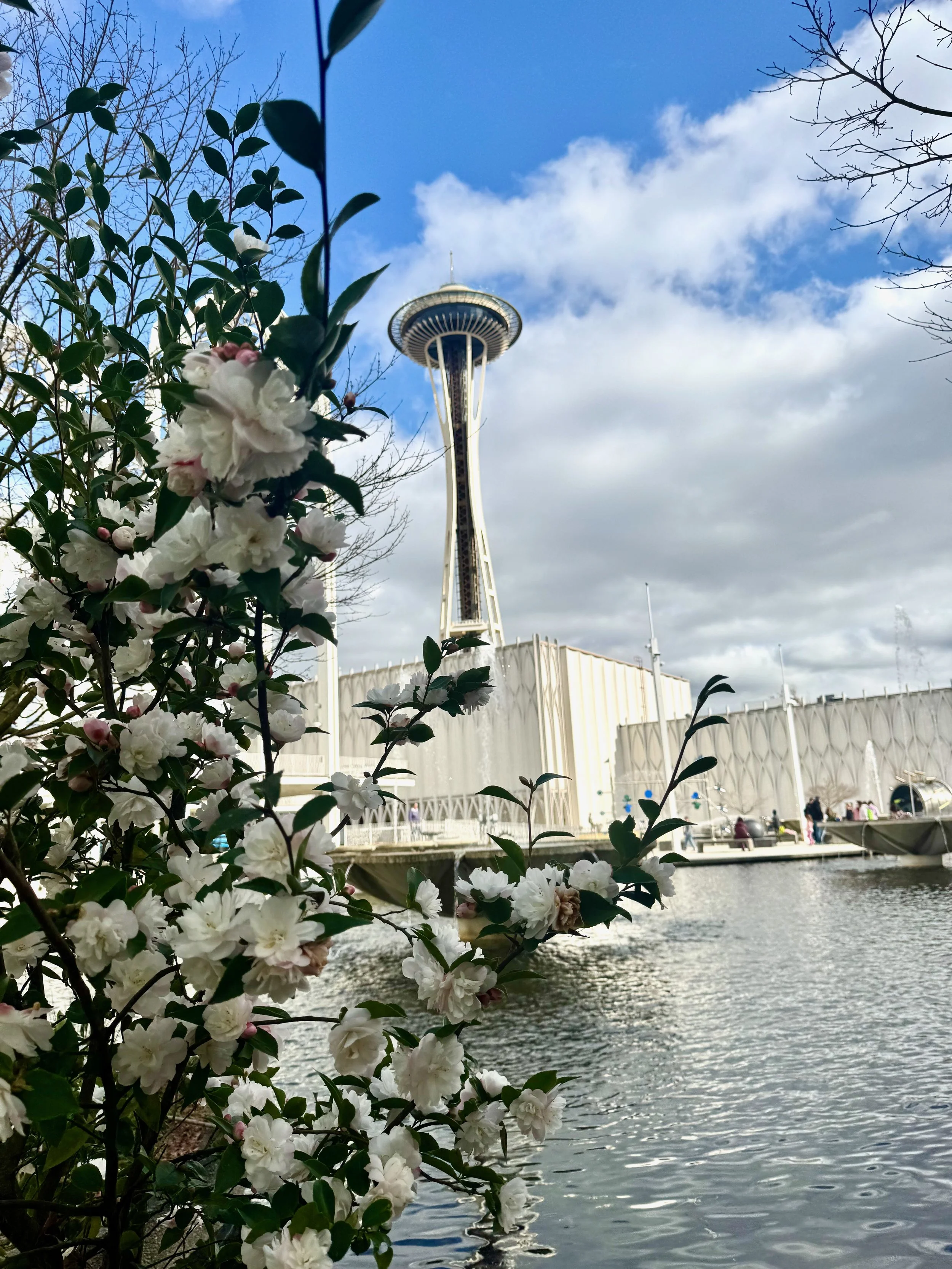
Spring blooms in Seattle Center
Map of the best places to visit
Seattle is spoiled with access to nature right from our urban areas. There are countless places to visit just within the city limits of Seattle. If you are up for venturing further out, some of the best beauty in the state can be found just within an hour or two drive. Here is a map overviewing all of the places I mention in this article.
Since this article covers things hours away from each other, where is the best place to stay if you are visiting the Seattle region in spring? It depends on what you want to prioritize and what month it is. If you have never visited Seattle - plan to stay downtown at least part of your trip to explore all the must sees. If you are visiting April, it is definitely worth staying near Mount Vernon to visit the tulip festival along with Whidbey Island or the San Juan Islands for a few nights.
Best places to see blooms in the city
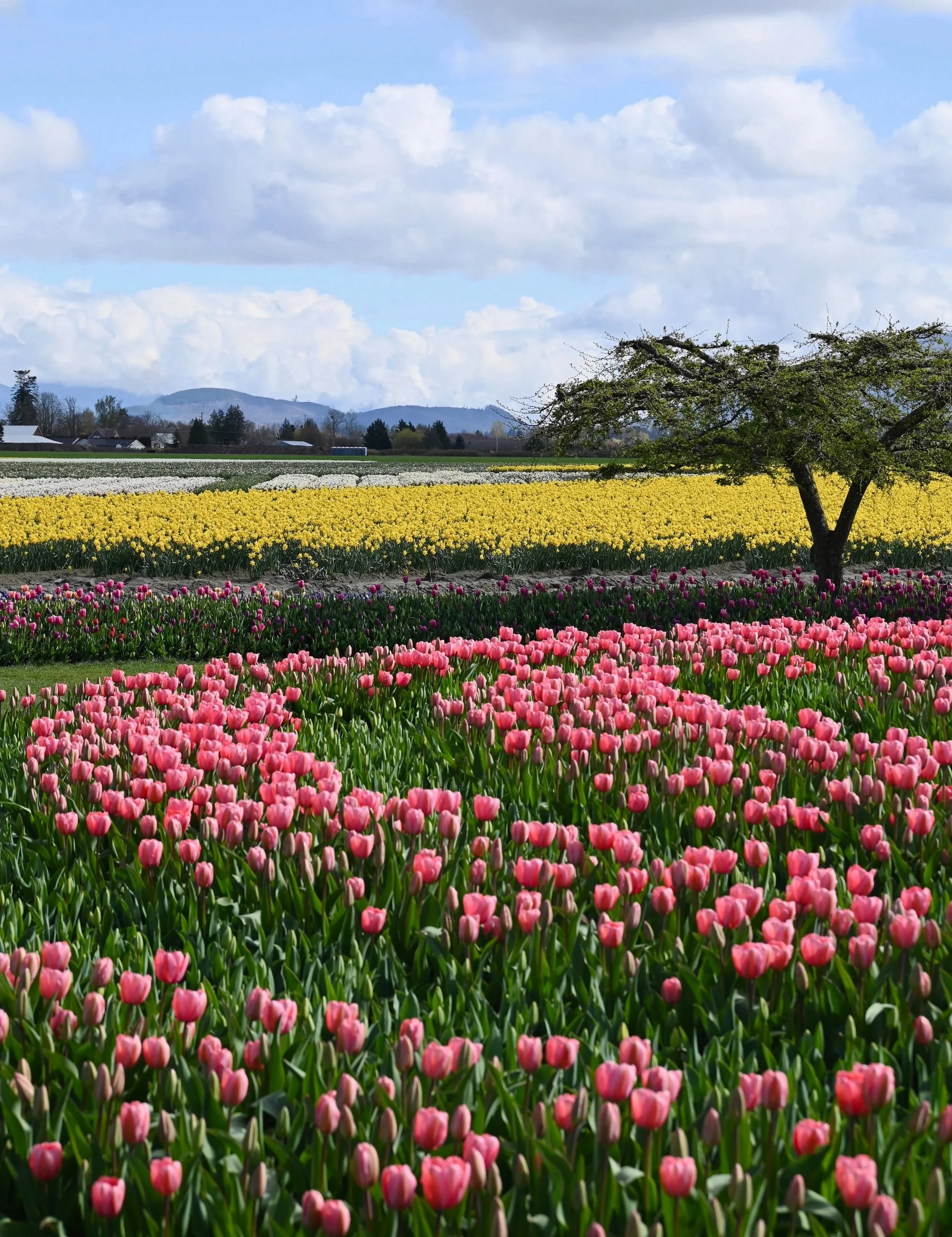
Roozengarde daffodils and tulips, March 29
Seattle’s most iconic blooms throughout spring include cherry blossom trees (peak in March), tulips (April), Daffodils (March), rhododendrons and azaleas (April-May), and lupines (May-June). Seattle is home to thousands of cherry blossom trees that came directly from Japan. Some of the trees were given as a gift from Japan and others were bought. The most popular of the cherry blossom trees are the Yoshino which can be found in the University of Washington’s Quad along with other places. There are also other varieties including Kwanzan, Hogan, Shirofugen, and Akebono. Since there are multiple different varieties around Seattle - they also bloom at different times. You can see them blooming starting from late February through May.
While the Skagit Valley region north of Seattle is known for its tulips and daffodils, you can still spot them throughout the city in places like the Washington Park Arboretum, Woodland Park and in people’s yards throughout the city. Daffodils often start poking out in the city in late February and the tulips typically come a month later.
One of my absolute favorite spring flowers in Seattle are the Rhododendrons, which just happens to be the state flower. These large flowering bushes can be found throughout the city and beyond, often in public parks and neighborhoods. Some of the best places to see them are in Washington Park Arboretum’s Rhododendron Glen or the Seattle Japanese Garden, and the Rhododendron Species Botanical Garden in Federal Way. There are so many varieties of Rhododendrons and you can find them in peak bloom from mid spring to early summer. Similar in both appearance and blooming times, Azaleas are also a showstopper in late spring in Seattle.
There are also plenty of wildflower fields around the Seattle area, the most notable being lupines. Lupines typically begin blooming in mid-May and go through June in the areas near Seattle. At higher elevations like at Mount Rainier, lupines bloom in the summer.
University of Washington’s Quad
By far the most famous place to enjoy the cherry blossoms in Seattle is the University of Washington’s Quad. As of 2026, the Quad has 29 large Yoshino cherry trees that are about 90 years old. One of my favorite ways to know when these gorgeous trees start blooming is following the instagram account “uwcherryblossom” – they start giving regular updates about a week before the first blooms until all of the pedals fall. You can also look at the live web cams of the Quad and Cherry blossoms to see what the trees are looking like and how crowded it is. The exact bloom dates change year to year, but in the last few years, bloom typically takes place between March 12th and April 3rd. The blooms stay for just 2-3 weeks.
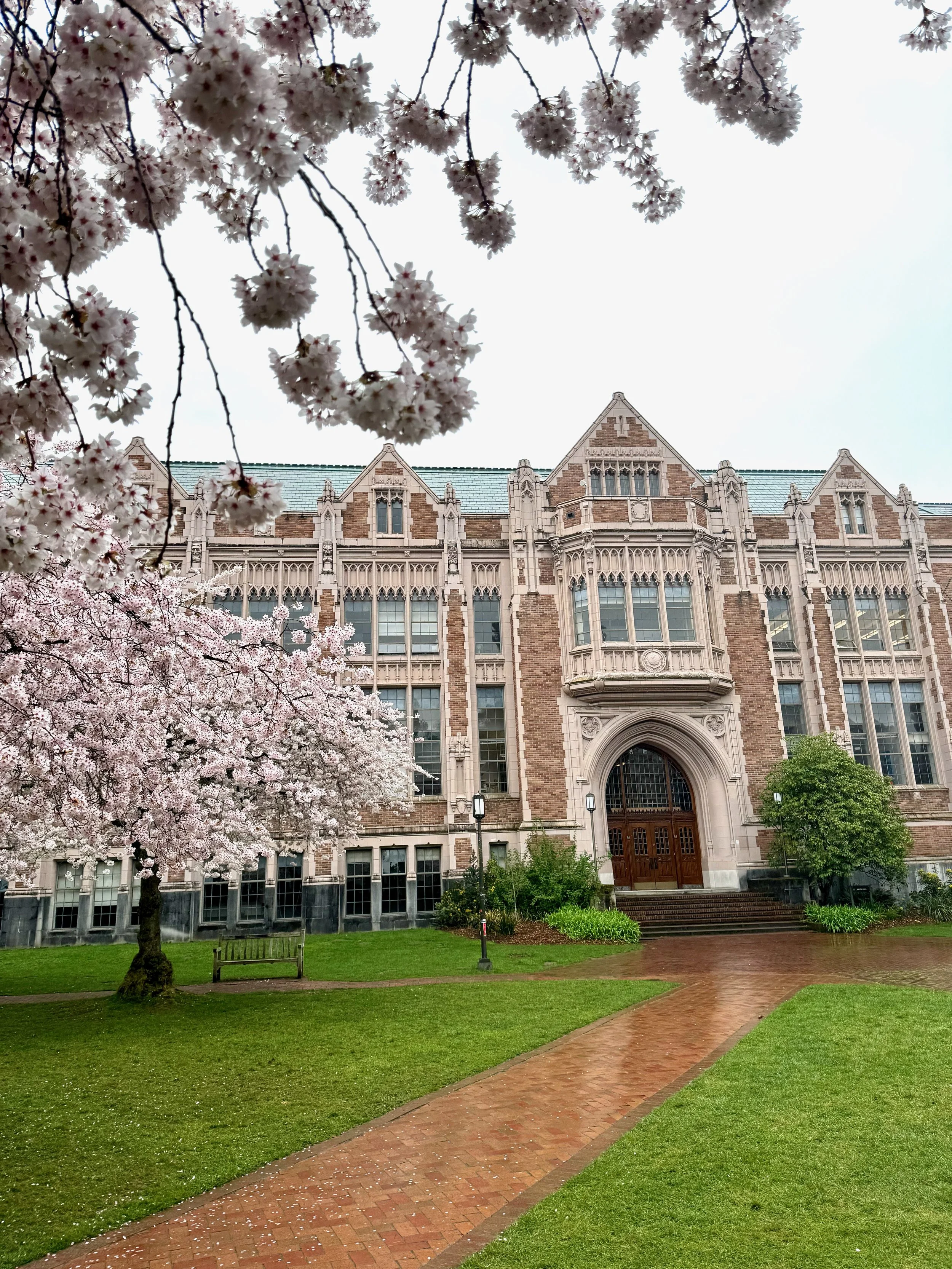
Cherry Blossoms at the UW Quad, March 22
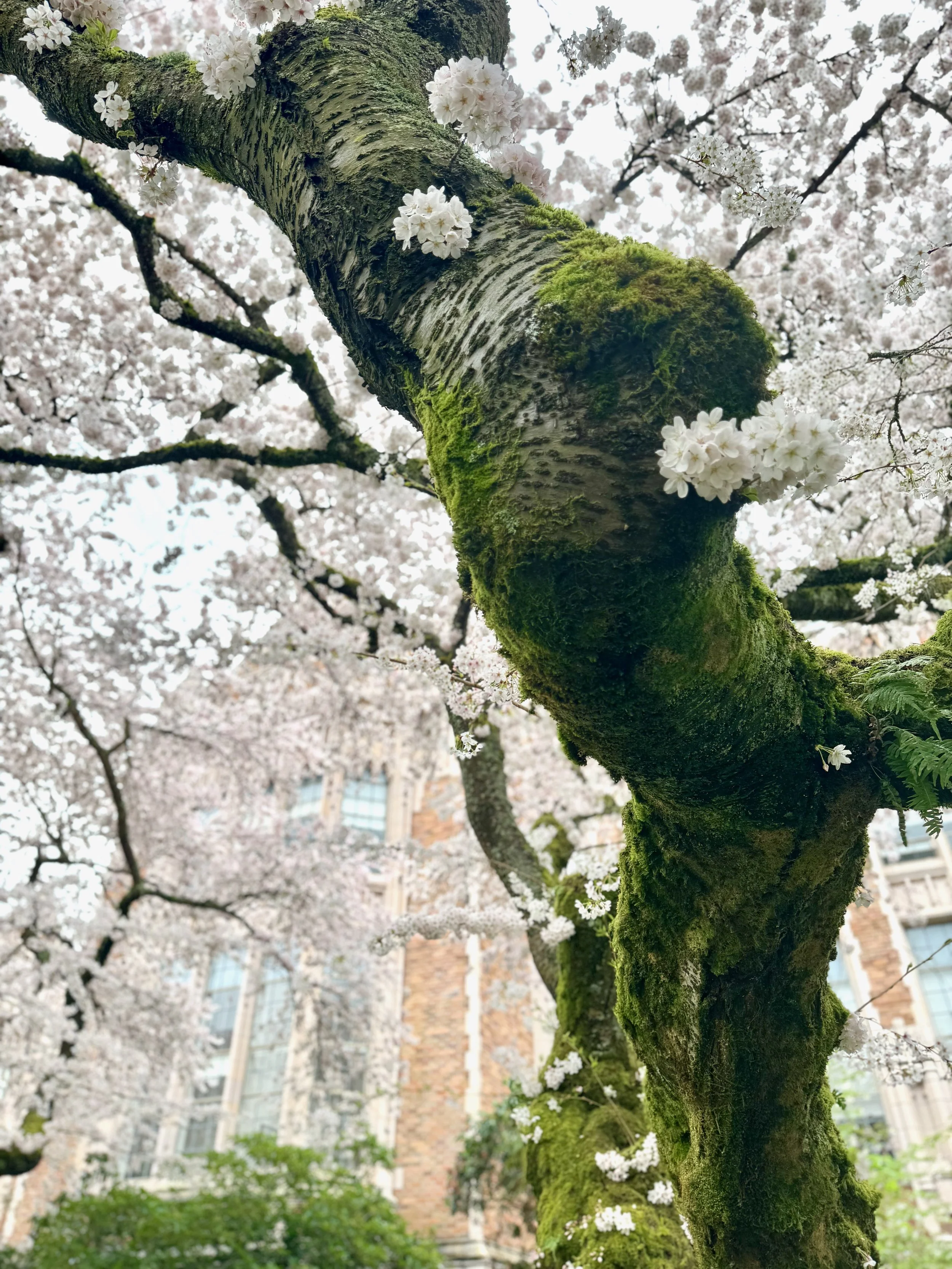
Cherry Blossoms at the UW Quad, March 22
And yes, it gets very crowded - especially on nice weekend days. If you want to get beautiful pictures with minimal people in the background, visit on a cloudy, maybe misty rain weekday. On weekends, you will have people enjoying the Japanese tradition of hanami, which is having a picnic under the sakura or cherry blossom trees. And while hanami is just magical and I would highly recommend it if you are able - it makes walking around the quad difficult. If you want to enjoy hanami, I would recommend elsewhere in the city.
The University of Washington has a lot of great information for visitors of where to park and how to navigate to the Quad. The university also puts up portable restrooms near the Quad on weekends when the restrooms are closed inside the buildings.
The U District, which is an area of the city located right next to University of Washington, hosts a Cherry Blossom festival every March. Dozens of businesses in the area offer cherry blossom themed foods and specials. If you have time before or after visiting the Quad, head over to the U District for food or to pop into some of the cute shops over there.
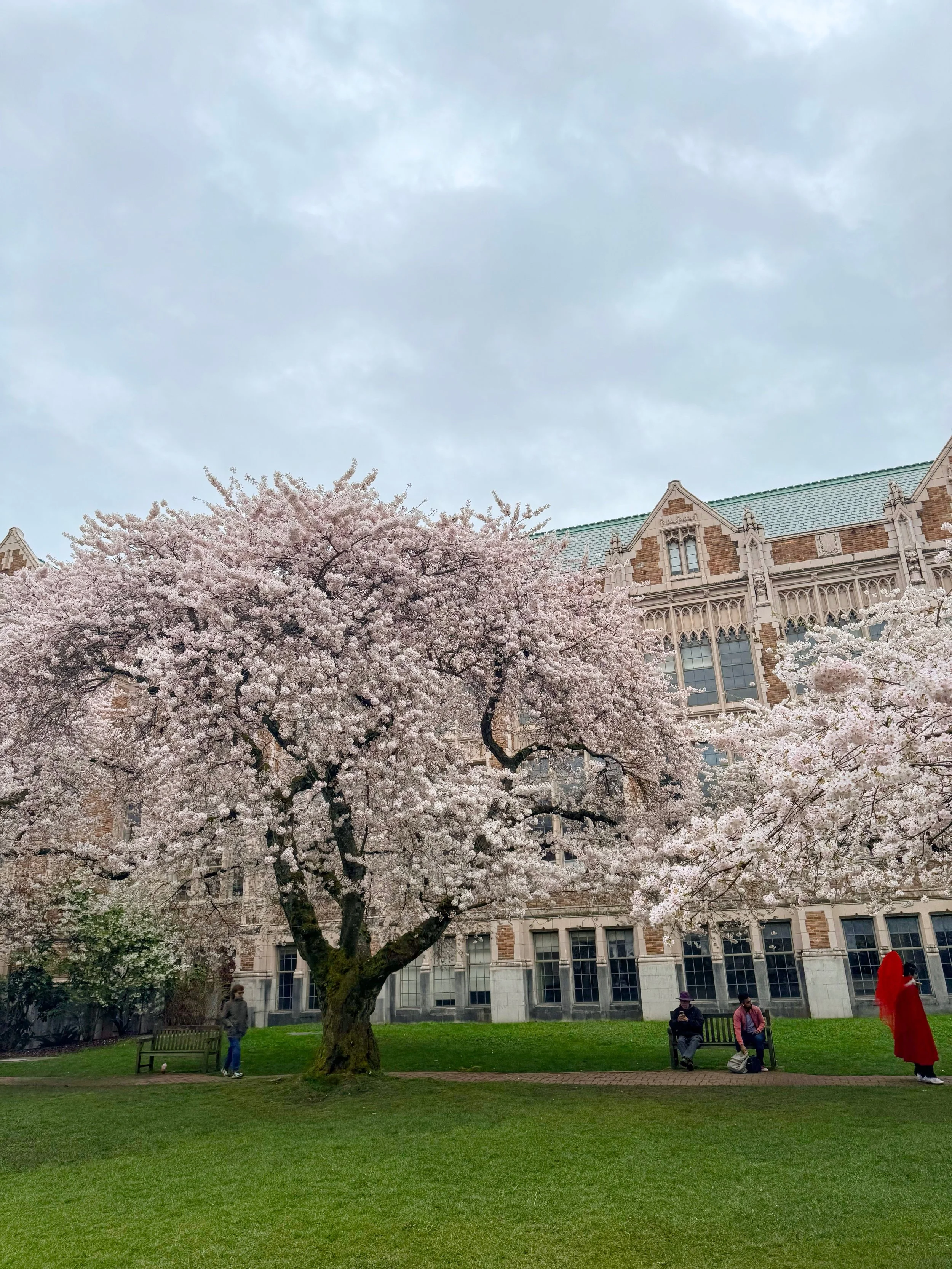
Cherry Blossoms at the UW Quad, March 27
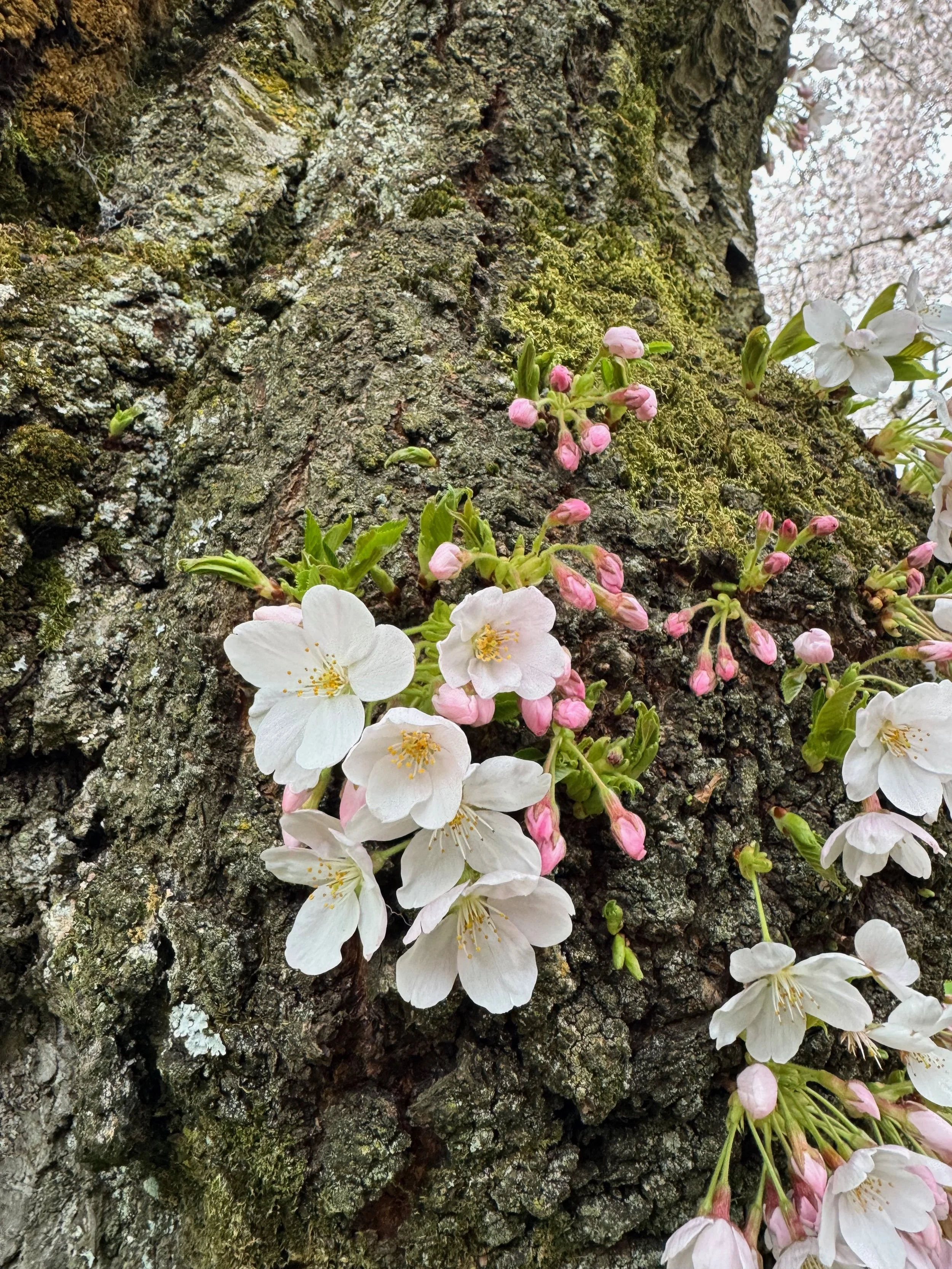
Seattle cherry blossom tree, March 27th
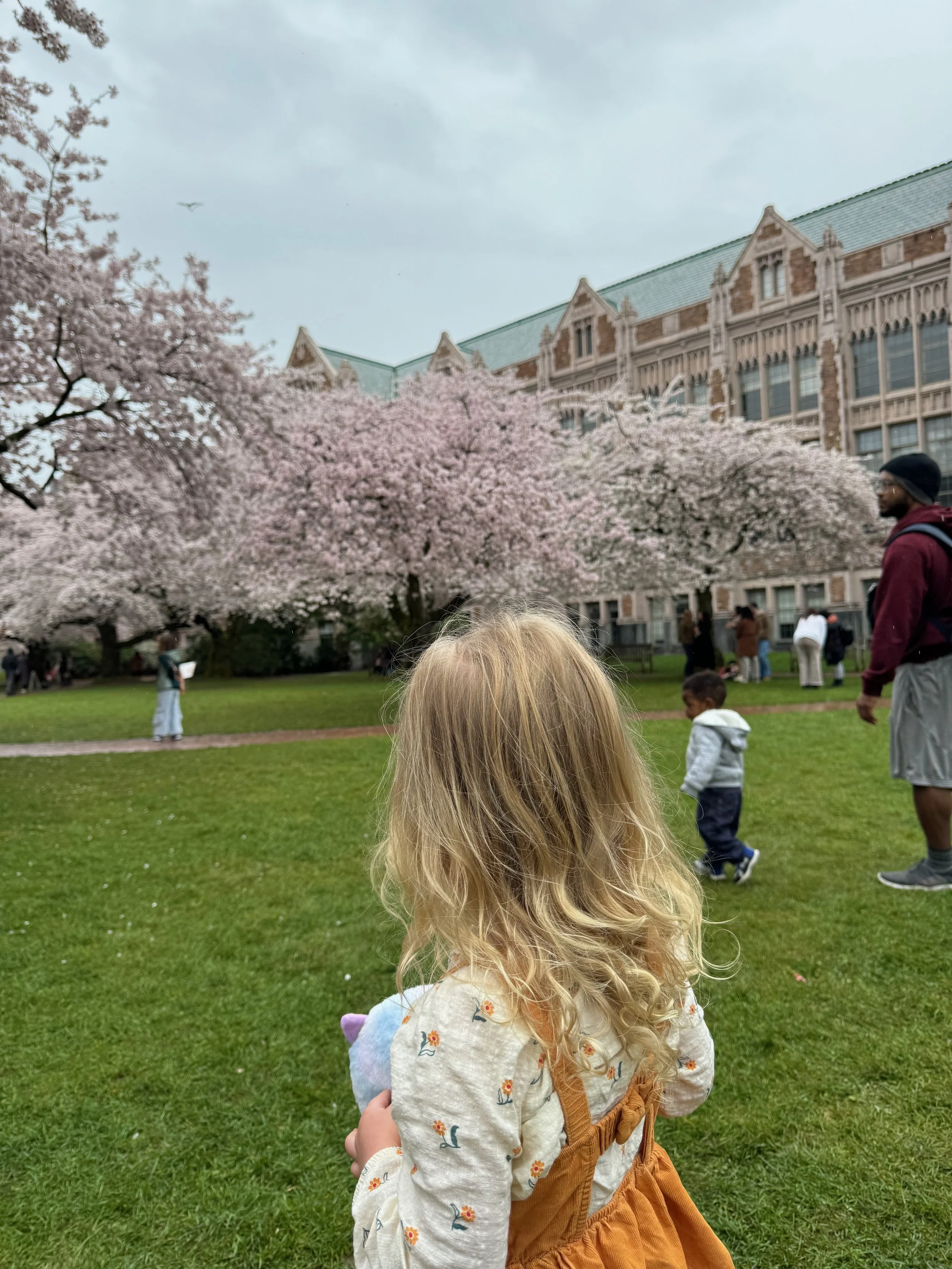
Cherry Blossoms at the UW Quad, March 22
When you visit, make sure you follow all of the rules to keep the trees healthy - do not climb the trees or shake their branches to make blooms fall down.
Washington Park Arboretum
The Washington Park Arboretum is worth visiting all year long, but it is absolutely gorgeous in the spring. The Washington Park Arboretum is managed by both the University of Washington and the city of Seattle. Best of all, this huge botanical garden is completely free to visit. There are miles of interconnecting trails that you could explore for hours. If you want to just walk the main loop, it is about 2 miles – but it is definitely worth getting off the main trail every so often to explore the gardens. There are a mix of paved trails that are perfect for bikes, strollers and scooters; along with narrower gravel or wood chip trails.
If you have a limited time, focus on the areas along Azalea Way - a 3/4 mile promenade. Azalea way has its name-sake azaleas but also rhododendrons, cherry trees and flowering magnolias. Other notable spots to visit are the Rhododendron Glen and the Puget Sound Rhododendron Hybridizer Garden. Both are a short walk from Azalea Way. You can also find rhododendrons in the Woodland garden near the Graham Visitors Center.
The Washington Park Arboretum is a favorite of ours for more than just the flowers. You can walk some of the minor trails over to Foster Island and Marsh Island on Lake Union. We also like taking our kayaks out in the bays around these islands.
Seattle Japanese Garden
The Seattle Japanese garden can be found within the Washington Park Arboretum. Despite being within the Arboretum, it is run a bit different and admission is charged. Currently, admission is $10 per adult and $6 discounted admission for youth, seniors, students and the military. The garden opens up for the year typically on March 1st after being closed for the winter. There is a dedicated parking lot for the garden and is free - but it can fill up on busy days.
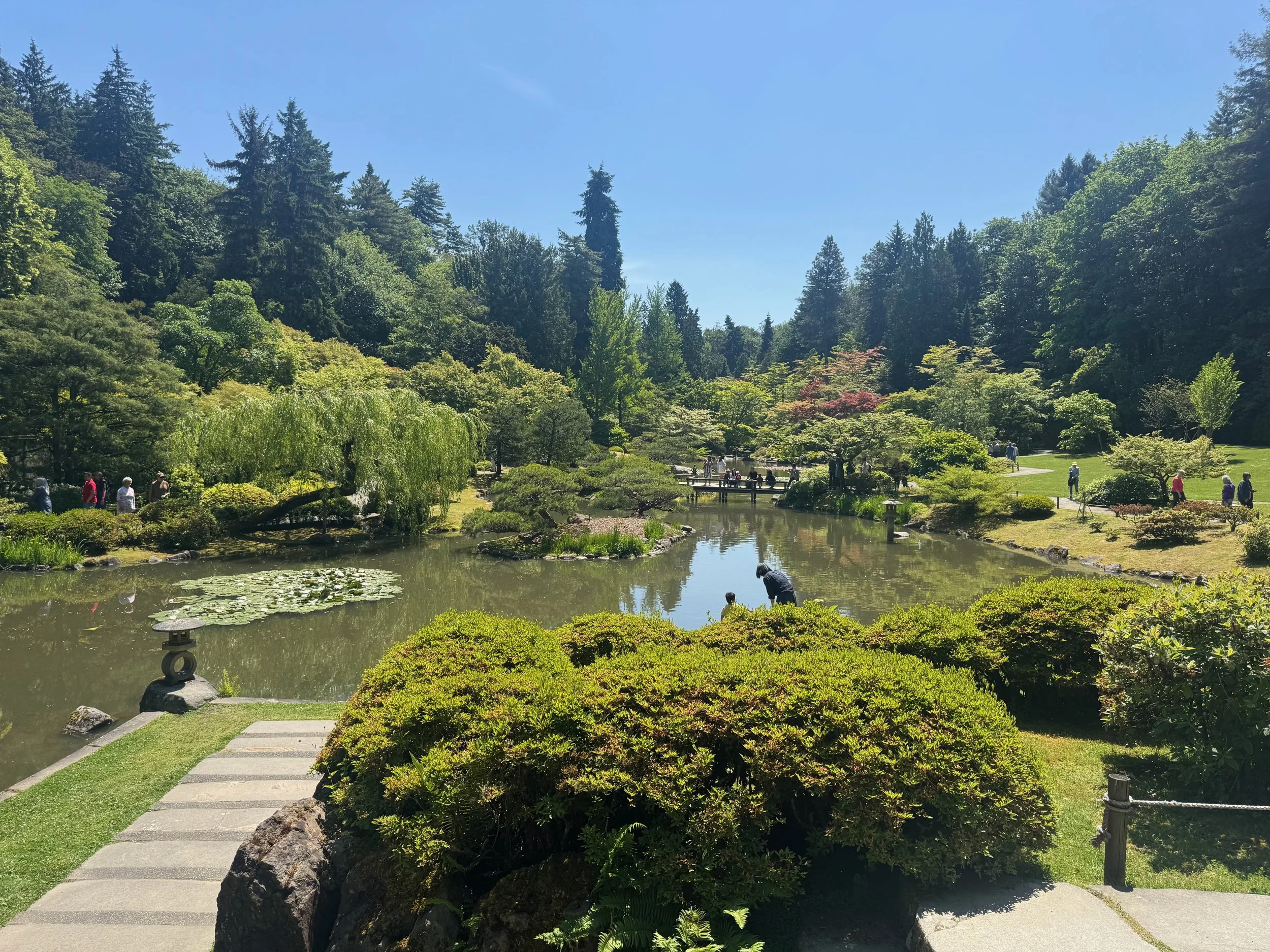
Seattle Japanese Garden, May 28th
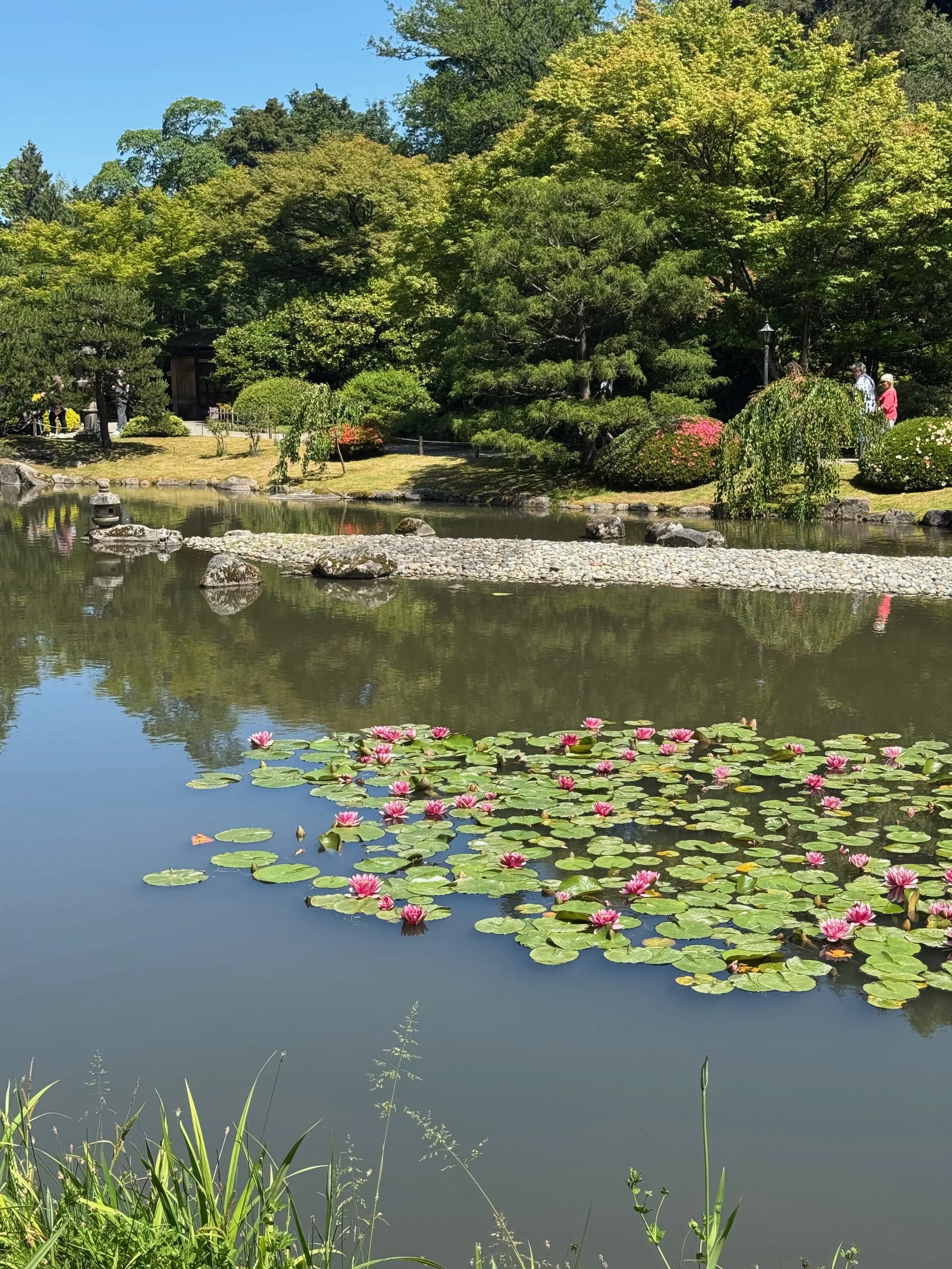
Seattle Japanese Garden, May 28th
While, the Seattle Japanese Garden is one of my favorite places to enjoy the beautiful colors of fall - it is also beautiful in the spring. Depending on when you visit in the spring, you can enjoy the garden’s rhododendrons, cherry blossom trees, Japanese primrose, wisteria, azaleas, and many more.
If you are able to time your visit right, the Seattle Japanese Garden is one of the museums that give free admission on the first Thursday of the month.
Seward Park
Another very popular spot to view Seattle’s Cherry blossom trees is Seward Park along Lake Washington. This Southside park is home to the oldest Japanese cherry trees - as the first 3 cherry blossom trees from Japan were planted here in 1929. The trees here are found along the entrance path. This spot can get busy and if you are taking photos here make sure to stay off the roads. Beyond the cherry blossom trees, the playground at Seward park is also worth visiting when you are there along with the hiking trails and Mount Rainier views.
Seattle Center
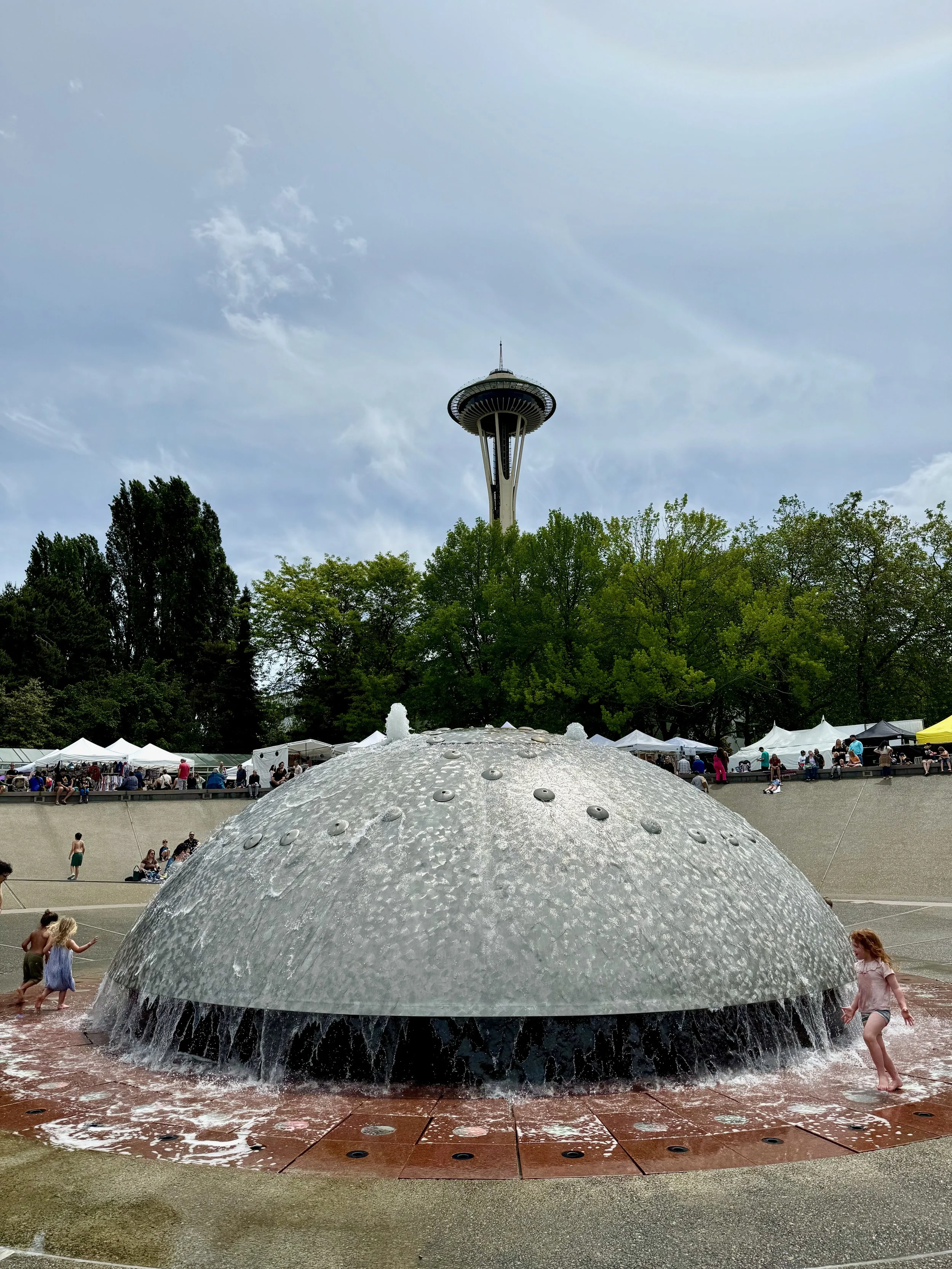
Seattle Center has multiple cherry blossom trees near the Fisher Pavilion and International Fountain. The various small gardens around the area also feature tulips and daffodils. Seattle Center also hosts the Seattle Cherry Blossom & Japanese Cultural Festival - more about that in a later section.
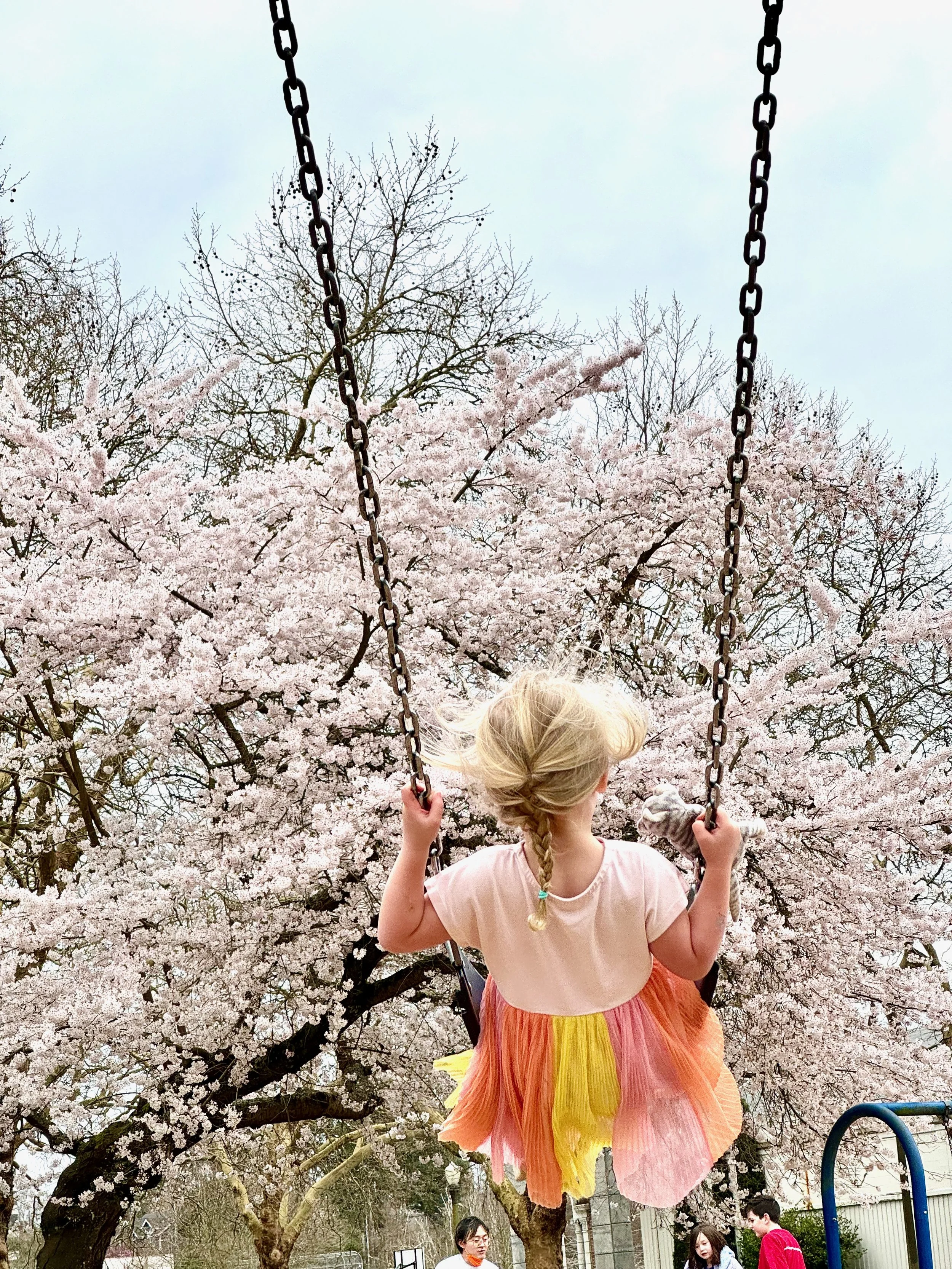
Cherry blossoms around Green Lake Playground, March 20th
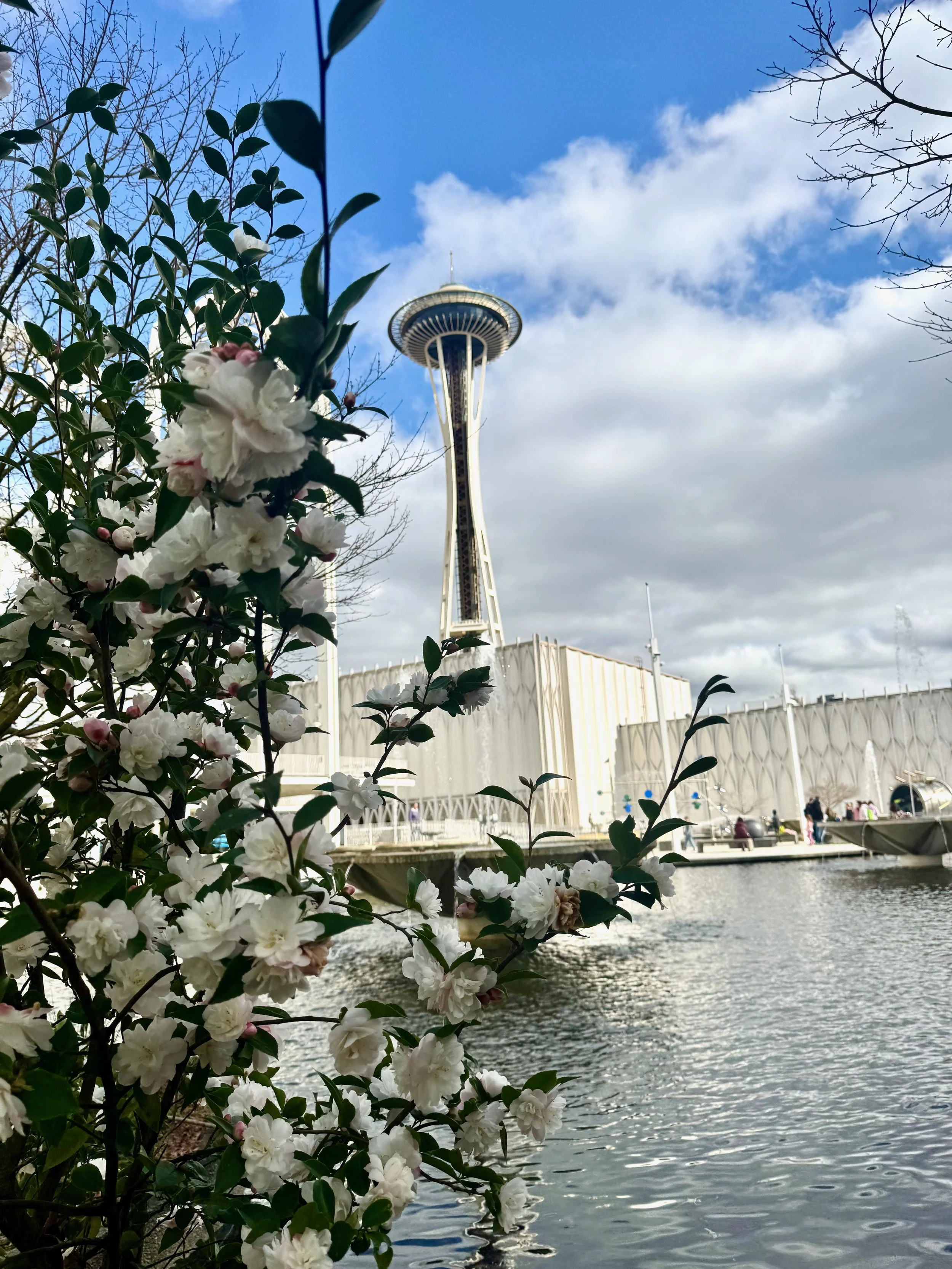
Seattle Center’s Pacific Science Center, March 7th
Jefferson Park (beacon Hill)
About 20+ cherry trees can be found within Jefferson Park in the Beacon Hill neighborhood of Seattle. Even more can be found in the greater area around the park. This is also a great park for views of downtown Seattle and enjoying the playground.
Green Lake
To find the cherry blossoms and other signs of spring at Green Lake, you can walk the 2.8 mile loop around the lake or just hang out around the playground. The playground, which is on the side of the lake near the boathouse, is surrounded by beautiful blooming trees.
Kubota Garden
Similar to the Seattle Japanese Garden, Kubota Garden is well known for its beauty in the fall but also shines during the spring months. You can find stunning displays of magnolias, azaleas, and numerous rhododendrons. The various maples throughout the park also offer beautiful color in the spring months. The layout of the garden from the ponds to the bridges and waterfalls, is also enjoyable no matter the season. Kubota garden is a public park, does not charge admission and is open sunrise to sundown.
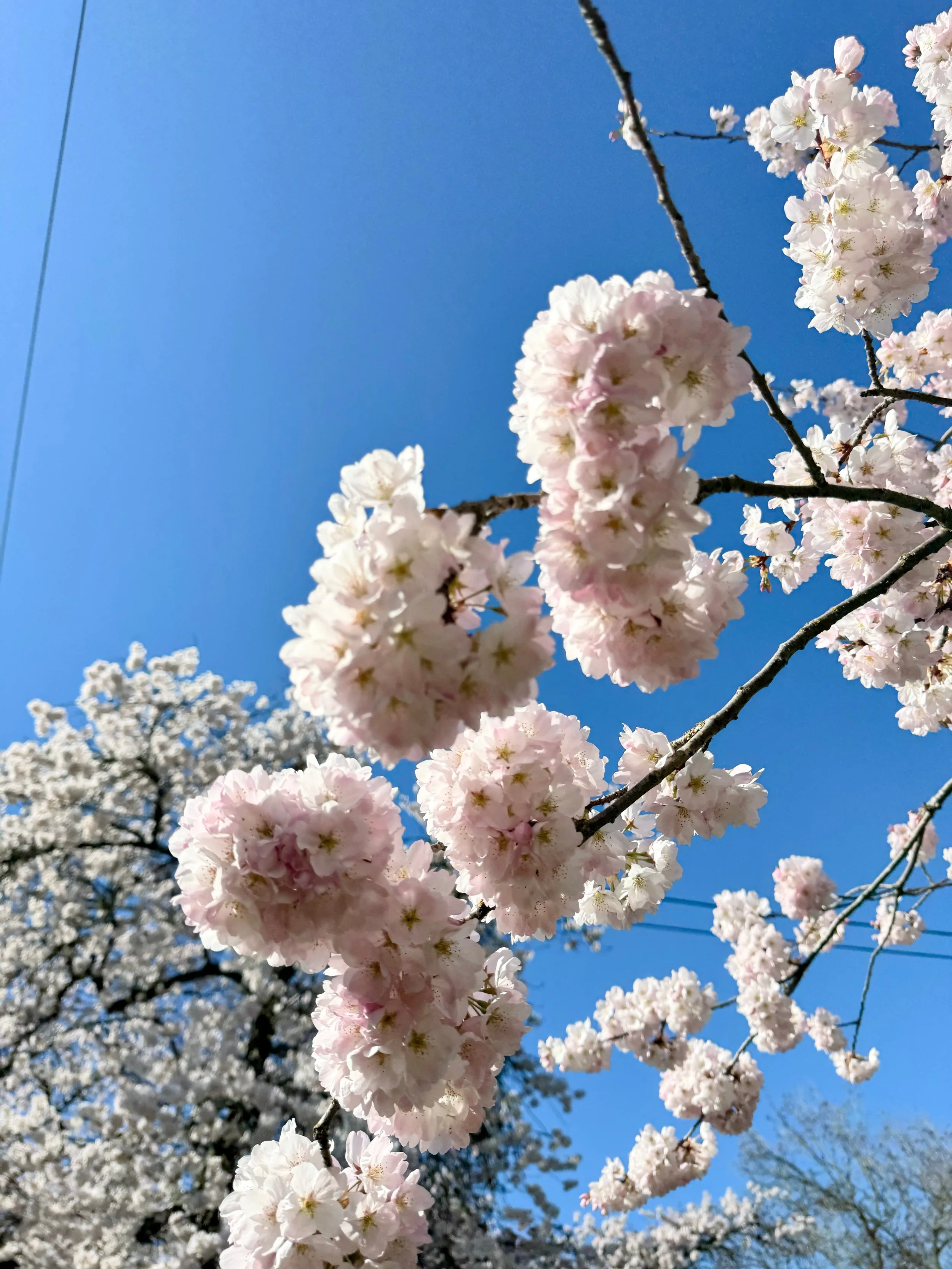
Cherry Blossoms at Montlake Playfield, March 19th
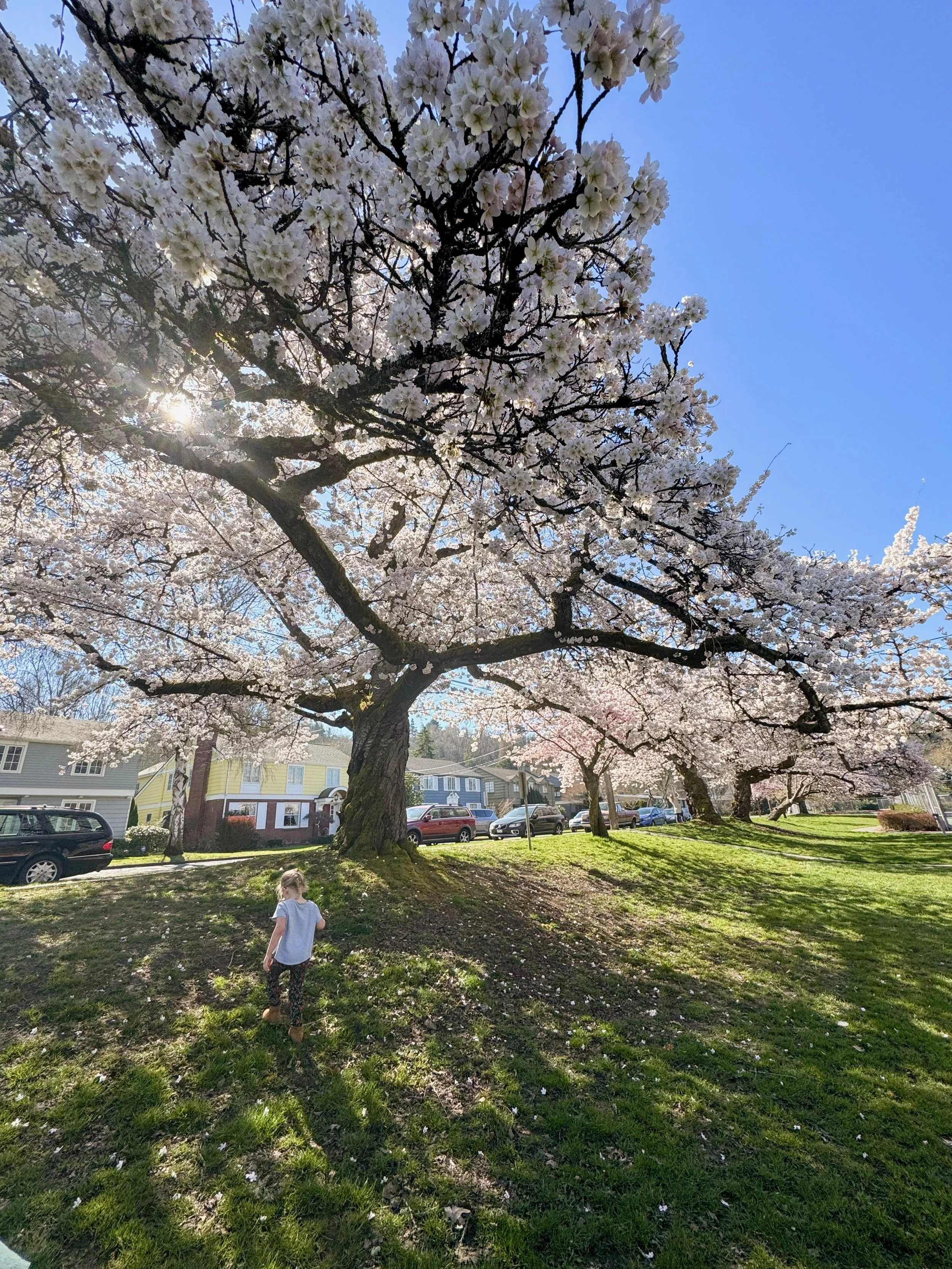
Cherry Blossoms at Montlake Playfield, March 19th
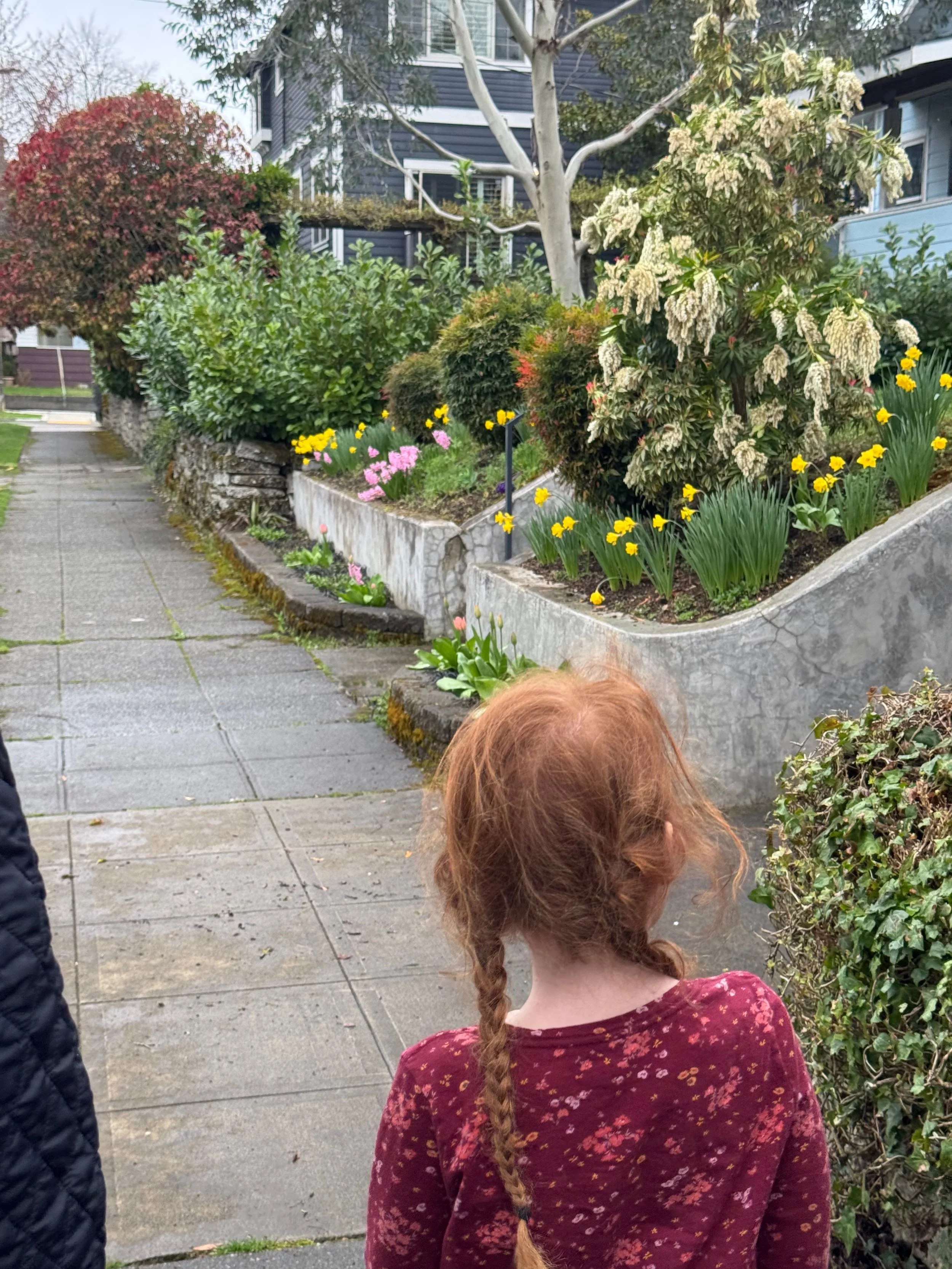
Street near Volunteer Park in Seattle, March 27th
Residential Streets & Parks
Flowering plum and cherry trees can be found all throughout the residential streets of Seattle and the neighboring cities. These beautiful trees can cheer up your day on your morning commute. If you are wanting to find the closest flowering street near you, this crowded sourced map is a great resource.
Some great local parks not included in the list above to see cherry blossom trees include Kobe Terrace, Volunteer Park, Montlake Playfield, near the Ballard Locks, and Julia Lee Pocket Park.
Best places to see blooms in the Greater Seattle area
Rhododendron Species botanical Garden
Located in Federal Way, WA - just south of Seattle - this beautiful garden displays over 700 rhododendron species. Admission is $12 for adult and free for kids under 12 years old. If you are local to the Seattle area, Tacoma and King county library systems offer some free museum passes to the garden each day. The garden is open throughout the year but is obviously most popular in the late spring when the rhododendron are blooming. The garden lists their peak bloom time from mid-March through mid-May. Plan to spend about 1 to 2 hours exploring the 22-acre garden. Near the visitor center is the garden’s nursery where you can buy rhododendrons and azaleas for your own garden along with many other plants.
Rhododendron Species Botanical Garden is conveniently located right next to the Pacific Bonsai Museum. This free museum has a collection of over 100 bonsai trees. If you have time, check out this museum as well while you are in the area. The museum does have some cherry blossom and plum blossom bonsai that bloom in early spring.
Highline Seatac Botanical Garden
This garden in the SeaTac area has been continually expanding over the last several years. It has grown to 9 gardens and is completely free to public and open during daylight hours. Elda Behm’s Paradise Garden is full of blooming rhododendrons and azaleas in the spring. As is Hicks Rhododendron and Azalea Garden. The Seike Japanese Garden has cherry blossom trees along with other beautiful landscaping. The garden is fairly small and is easy to walk through - plan to spend a bit less than an hour.
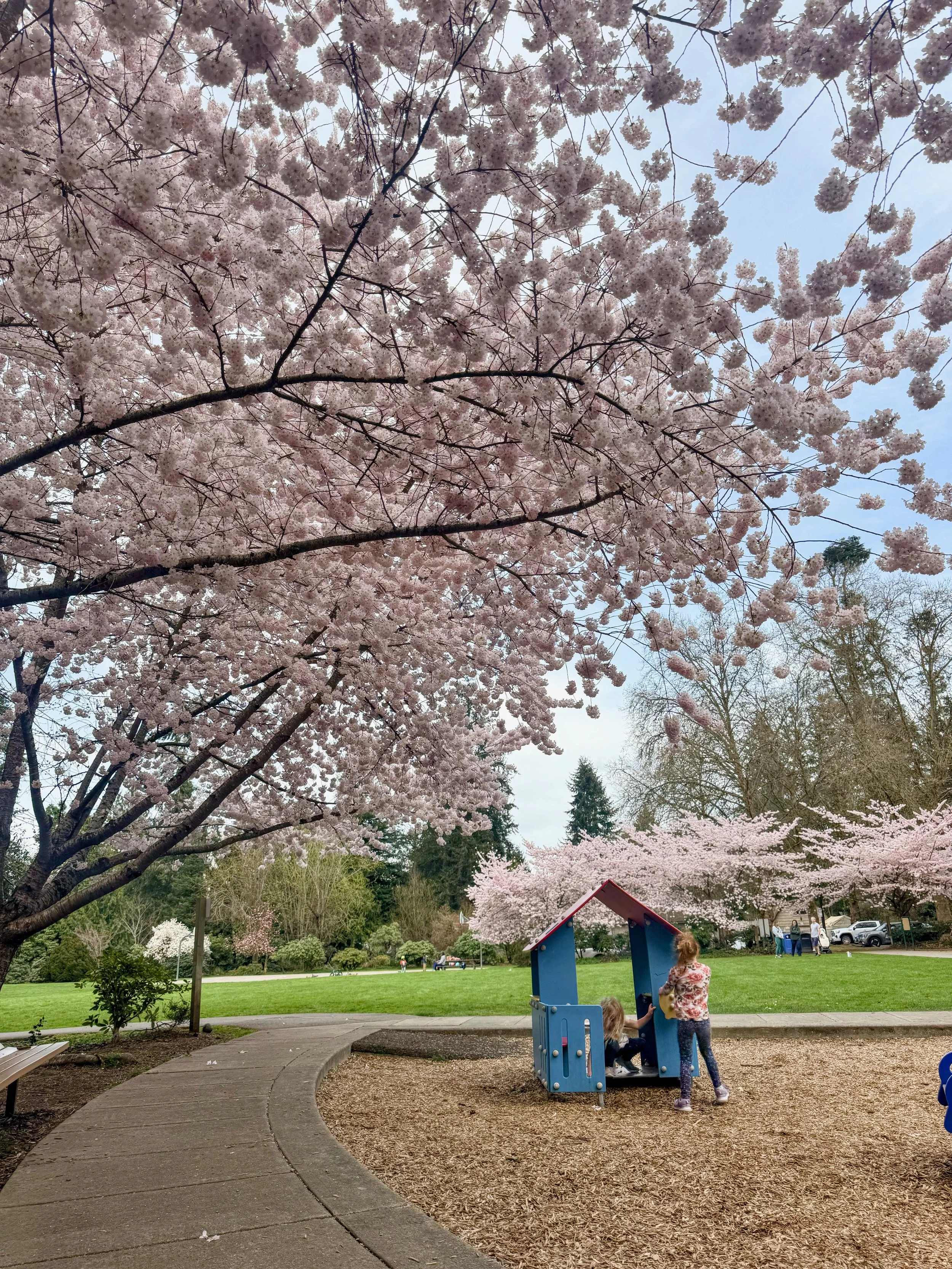
Rhododendron Park in Kenmore, March 30th
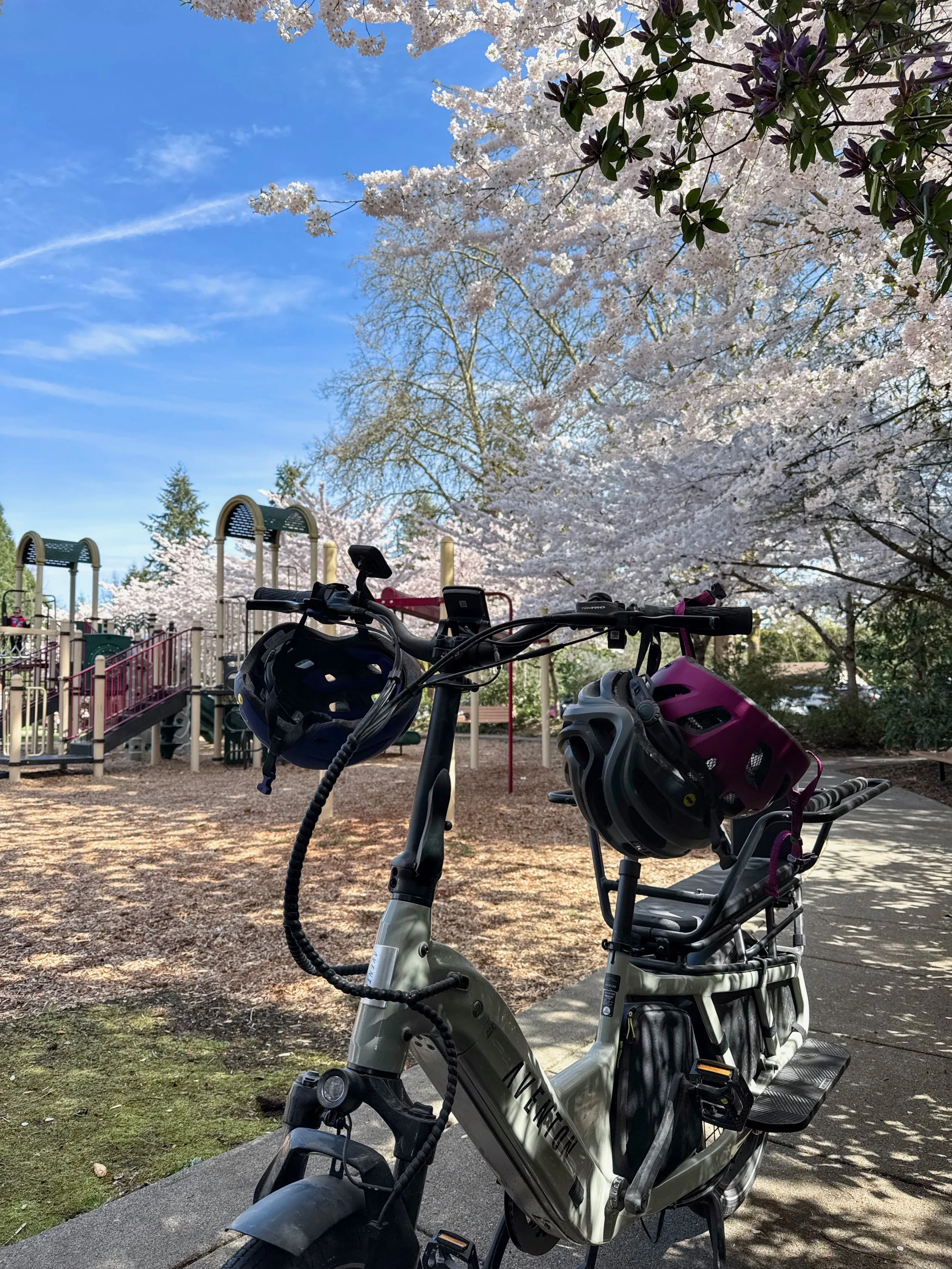
Rhododendron Park in Kenmore, April 5th
Bellevue Botanical Garden
One of the best places to enjoy spring blooms on Seattle’s Eastside. Bellevue Botanical Garden has displays of tulips, rhododendrons, cherry blooms, and other spring flowers. This garden is free and open dawn to dusk.
Bellevue Downtown Park
Bellevue’s downtown park is covered in pink in early April. Cherry blossom trees line the walking paths around this park. Downtown Park’s Inspiration Playground is one of the best in the area.
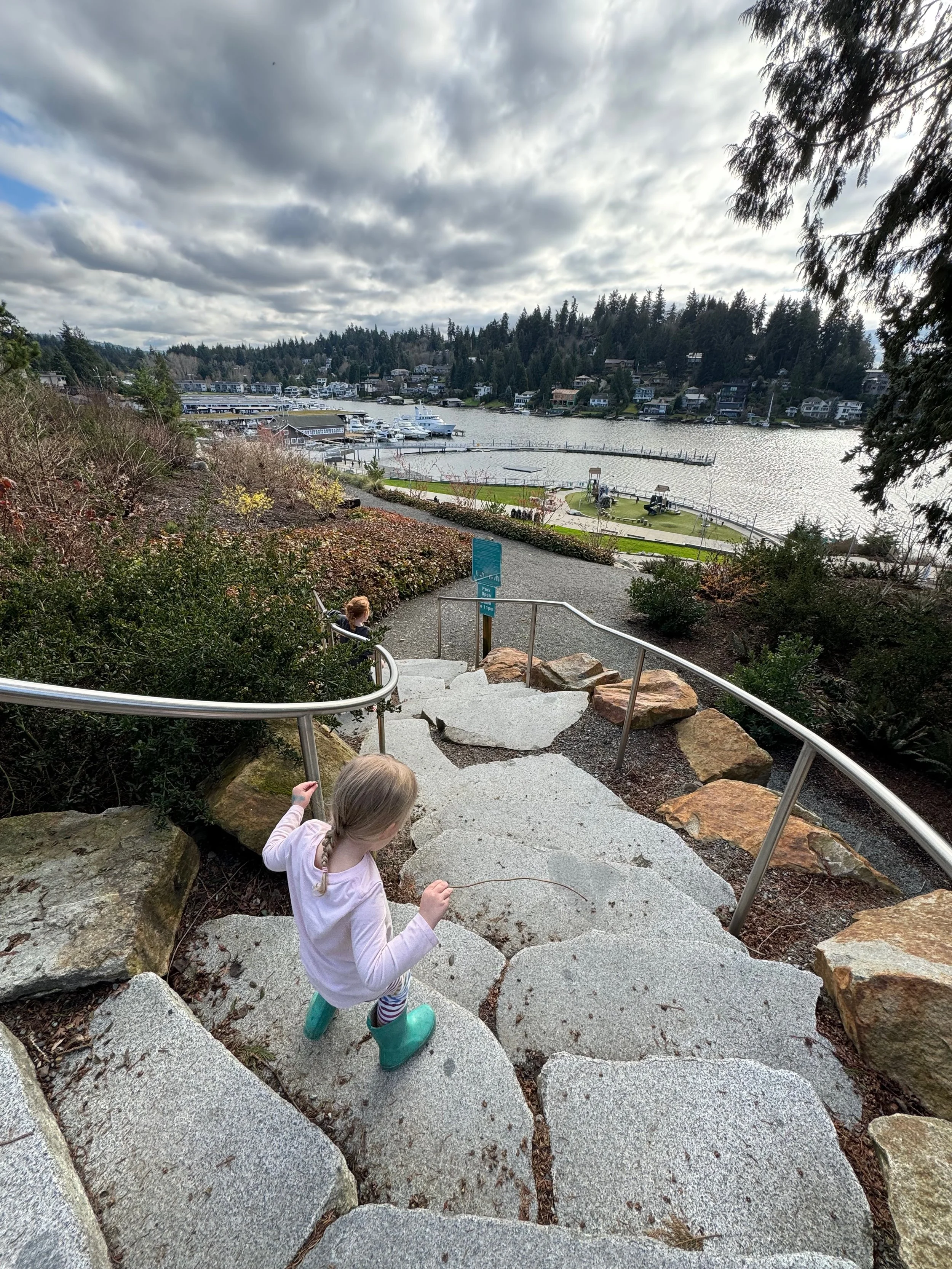
Meydenbauer Bay Park prior to blooms, March 1st
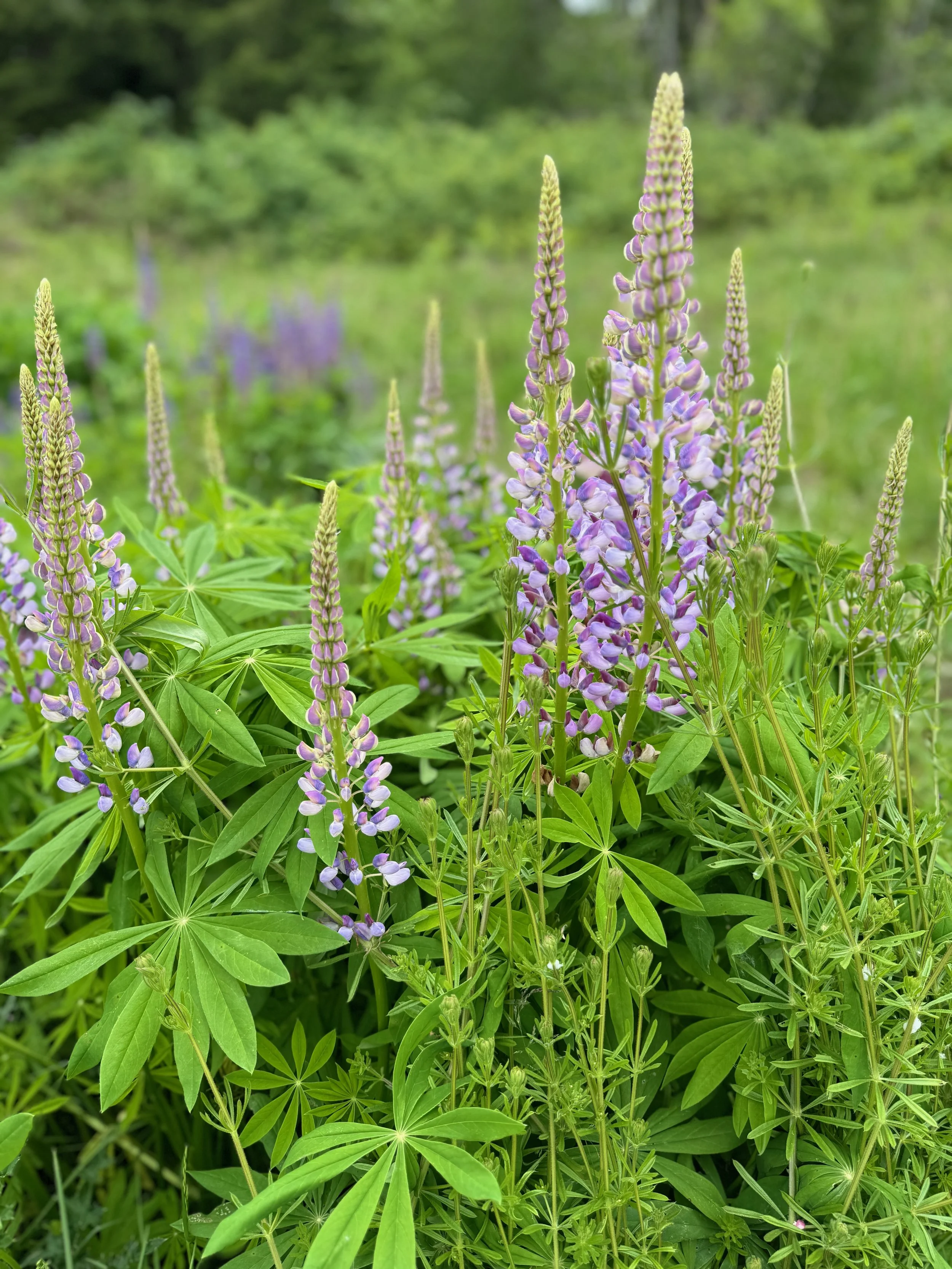
Lupine flowers at Evans Creek Preserve, May 23rd
Meydenbauer Bay Park
This beautiful lakeside park has a collection of cherry blossom trees along with beds of colorful spring flowers. On a nice day, you can also play on the small beach and walk along the trails through the park.
Bloedel Reserve
Often regarded as one of the best gardens in the United States, Bloedel Reserve is a must-see any season. Bloedel Reserve is on Bainbridge Island - a short drive from the ferry terminal. It is recommended you purchase timed admission ahead of time. Admission costs $22 per adult and $5 for kids 5-12 prior to May. After May 1st and through the summer, admission goes up by $4 for both. On the first Wednesday of the month, the garden offers pay-what-you-wish tickets. The garden is a mix of forested trails, meadows, and manicured gardens. The loop route is about 2 miles long and will take you an hour or two to enjoy. Spring in the garden is gorgeous. The Rhododendron Glen will be in full bloom by late spring. The garden also is home to cherry blossoms, daffodils, tulips, and many others.
Ebey’s Landing
For spring wildflowers, Ebey’s landing on Whidbey Island is a must-see. Peak bloom is typically from late march till early June. The bluffs and hills around Ebey’s landing are stunning any time of the year but during spring they are covered in wildflowers. With the wildflowers comes bees, but they will typically leave you alone.
For more wildflowers - visit Northwest Wildflowers to see what areas of the state are blooming and not. Due to differences in elevation and types of flowers, the wildflowers around the state have such drastically different blooming times from as early as February through the summer.
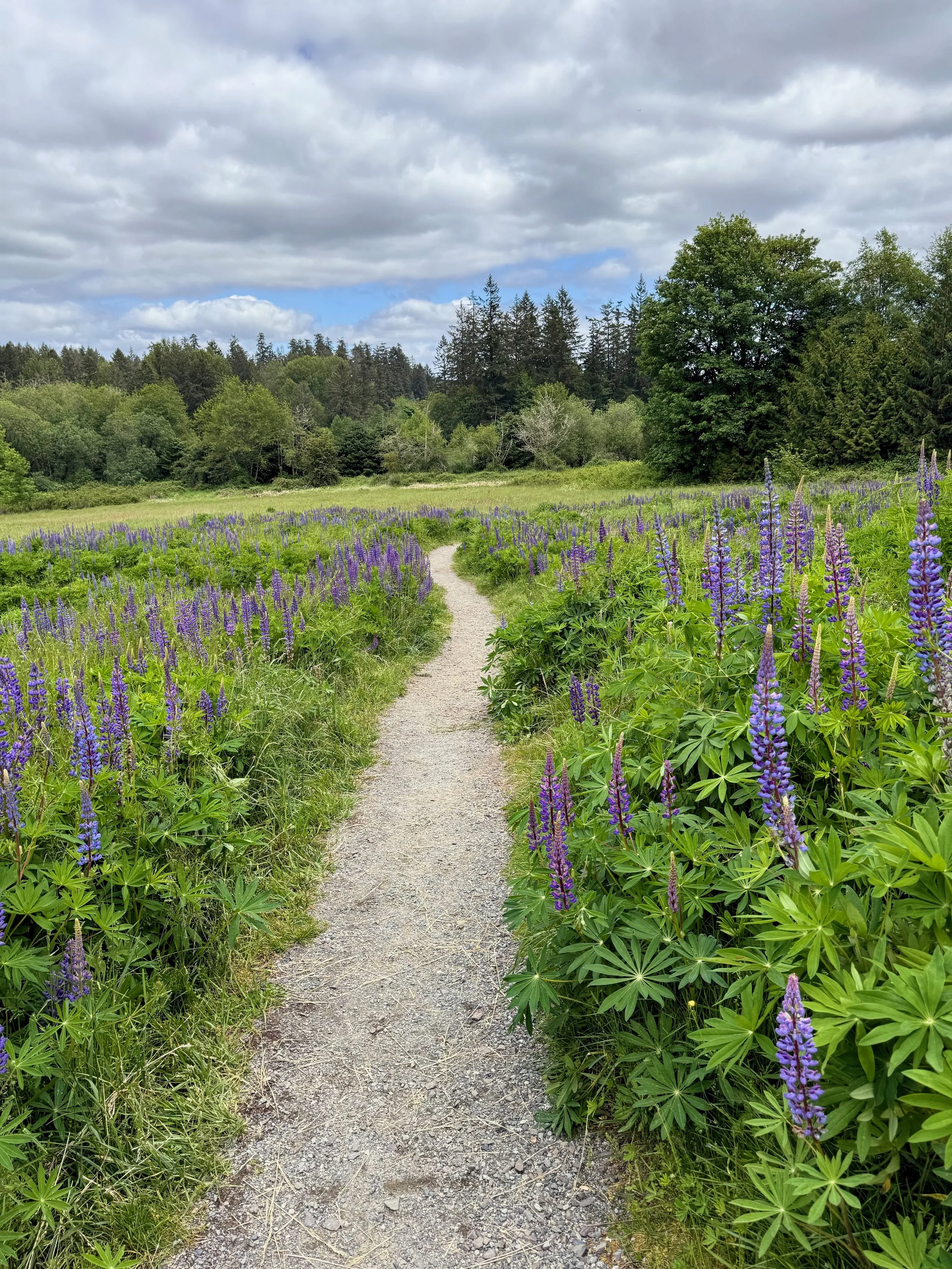
Lupine flowers at Evans Creek Preserve, May 23rd
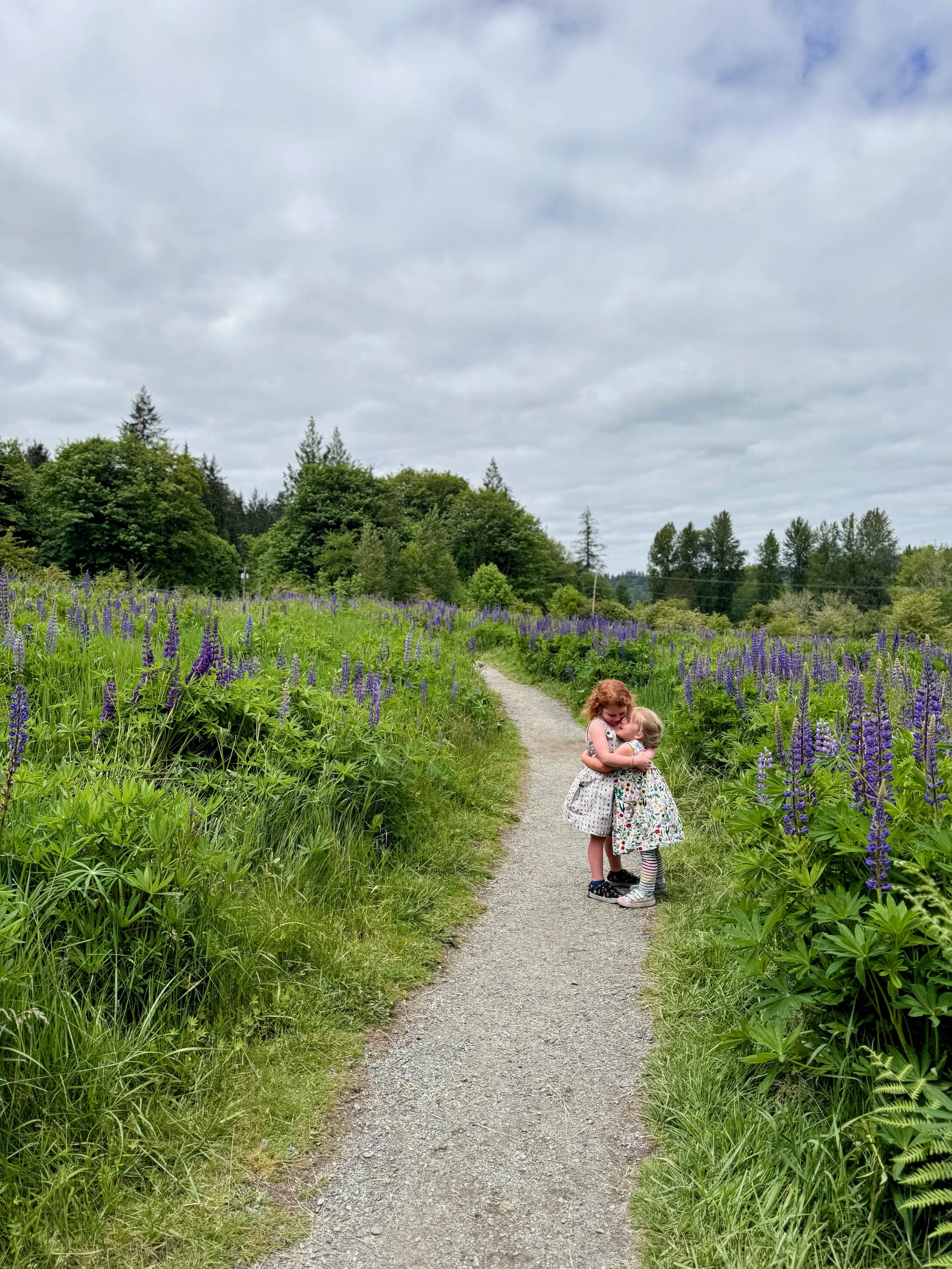
Lupine flowers at Evans Creek Preserve, May 23rd
Evan’s Creek Preserve
This huge park has multiple trails through different types of environments - meadows, forest, and wetlands. We did a loop that was roughly 1.8 miles that took us past most of the highlights of the park. The most popular being the lupine fields. If you are looking at the maps at the preserve, the lupine fields are between numbers 4 and 5 on their map. Note the weather on the day you are visiting and the few days before and be prepared for some muddy conditions if it has rained recently.
Van Lierop Park
Near Puyallup, this park is the best place to see lupines near Seattle as it has the highest concentration of blooms. The park has a paved path that is surrounded by lupine blooms for you to walk or bike on. Within the lupines are paths into the fields for you to get a closer look.
Festivals & Events
Seattle Cherry blossom & Japanese Cultural festival
Typically hosted the second weekend of April at the Seattle Center, this festival celebrates all things Japanese culture. There will be traditional performances including music and martial arts, food booths, tea ceremonies, arts and crafts for purchase and display, games, sake tastings and much more.
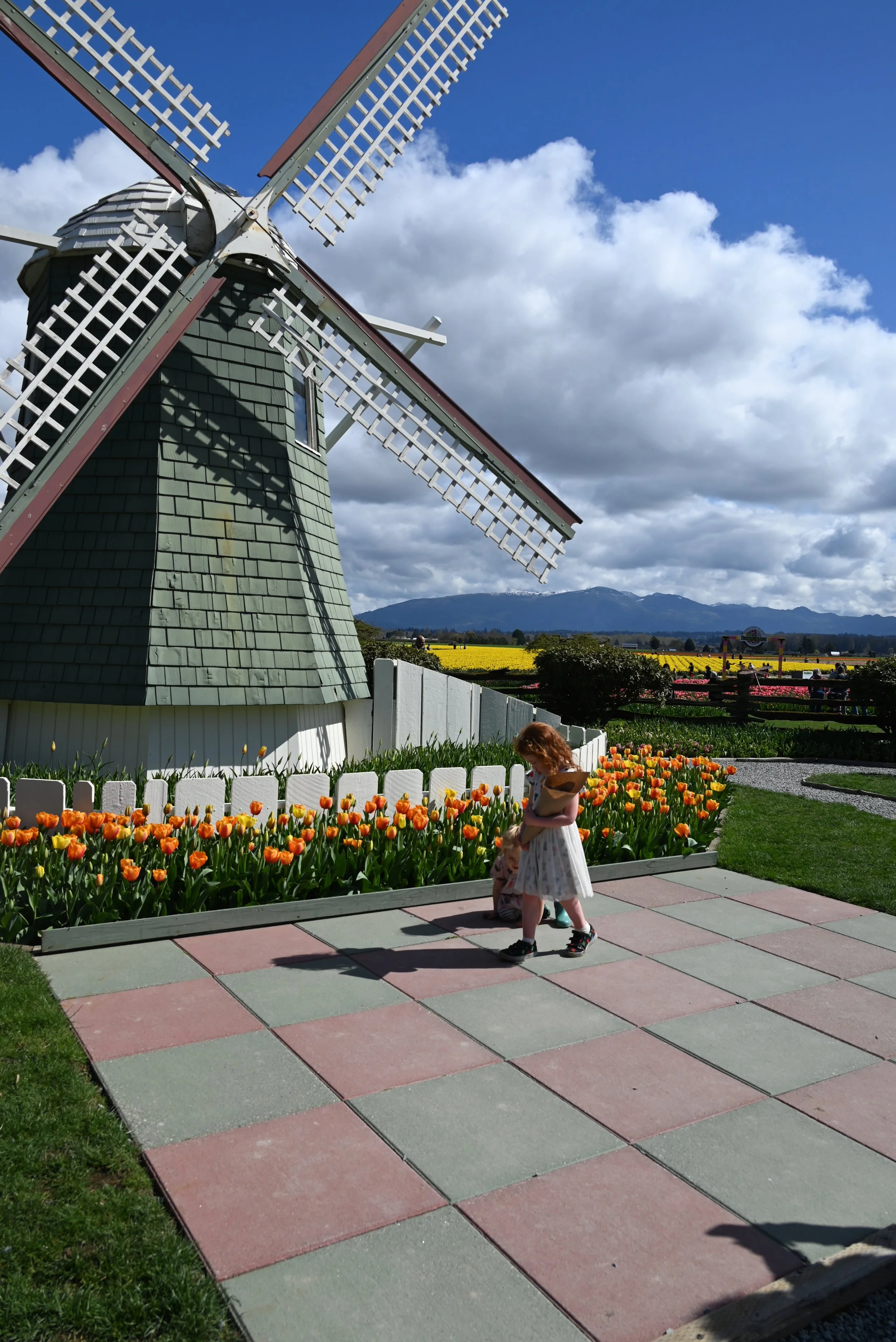
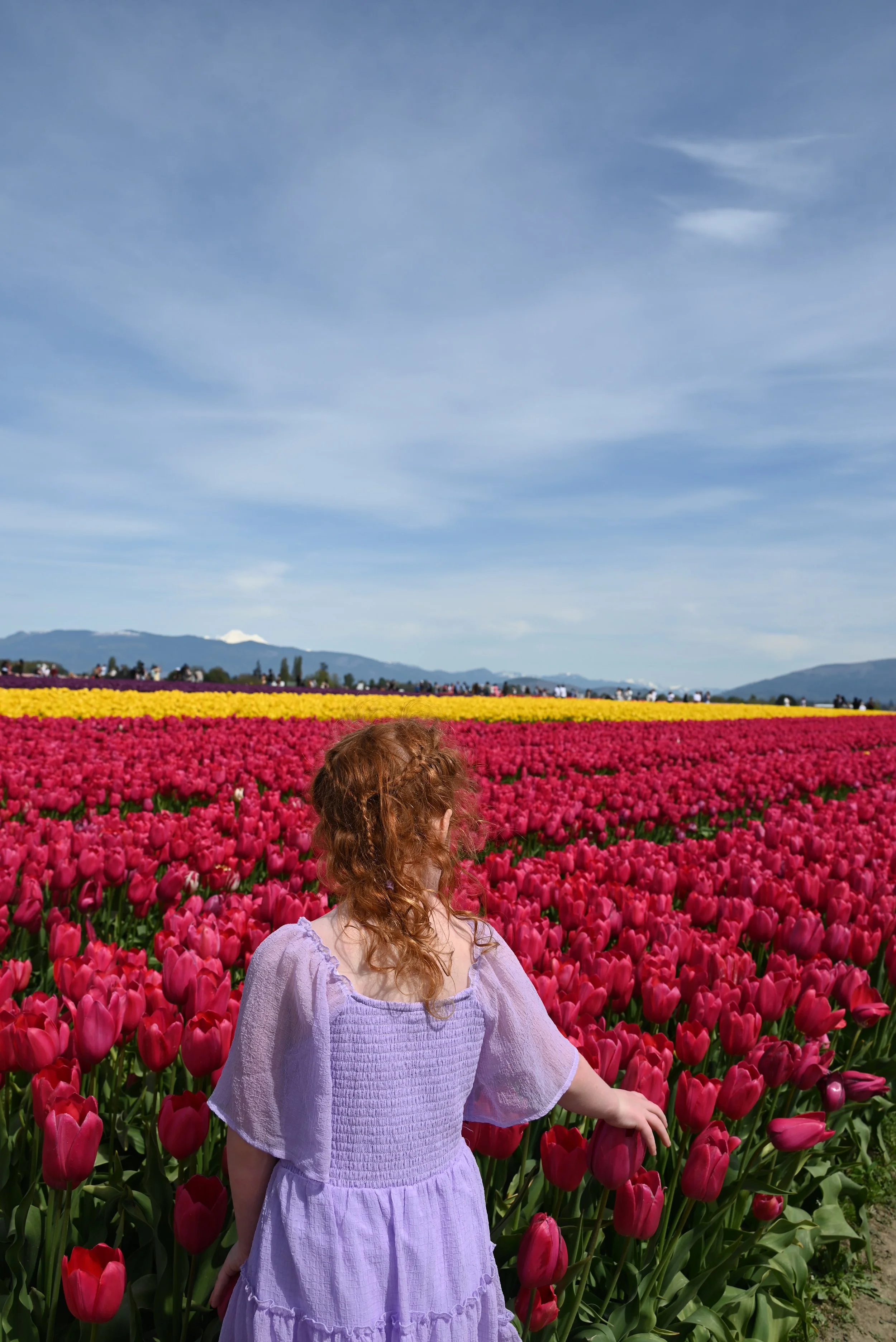
Skagit Valley Tulip Festival
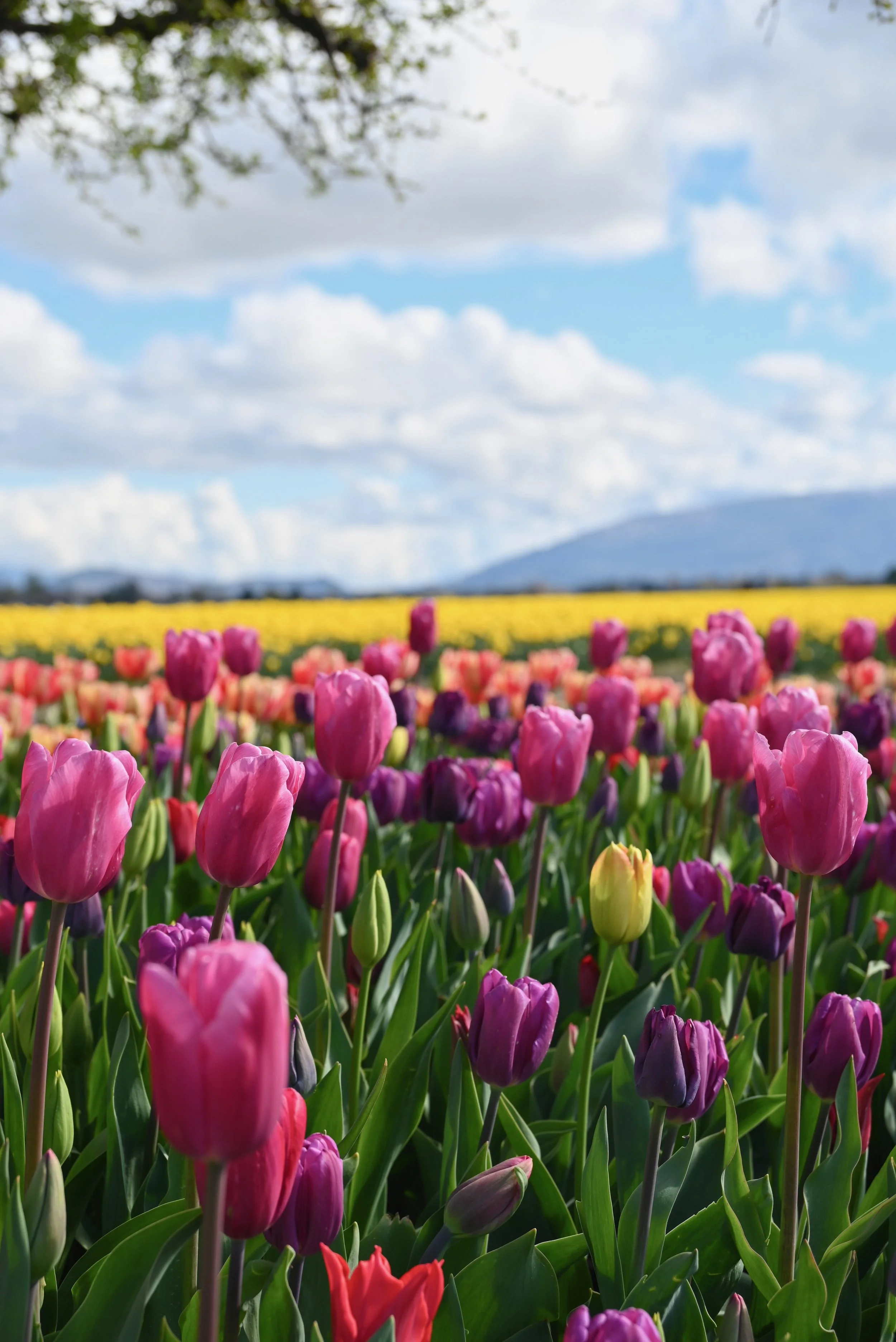
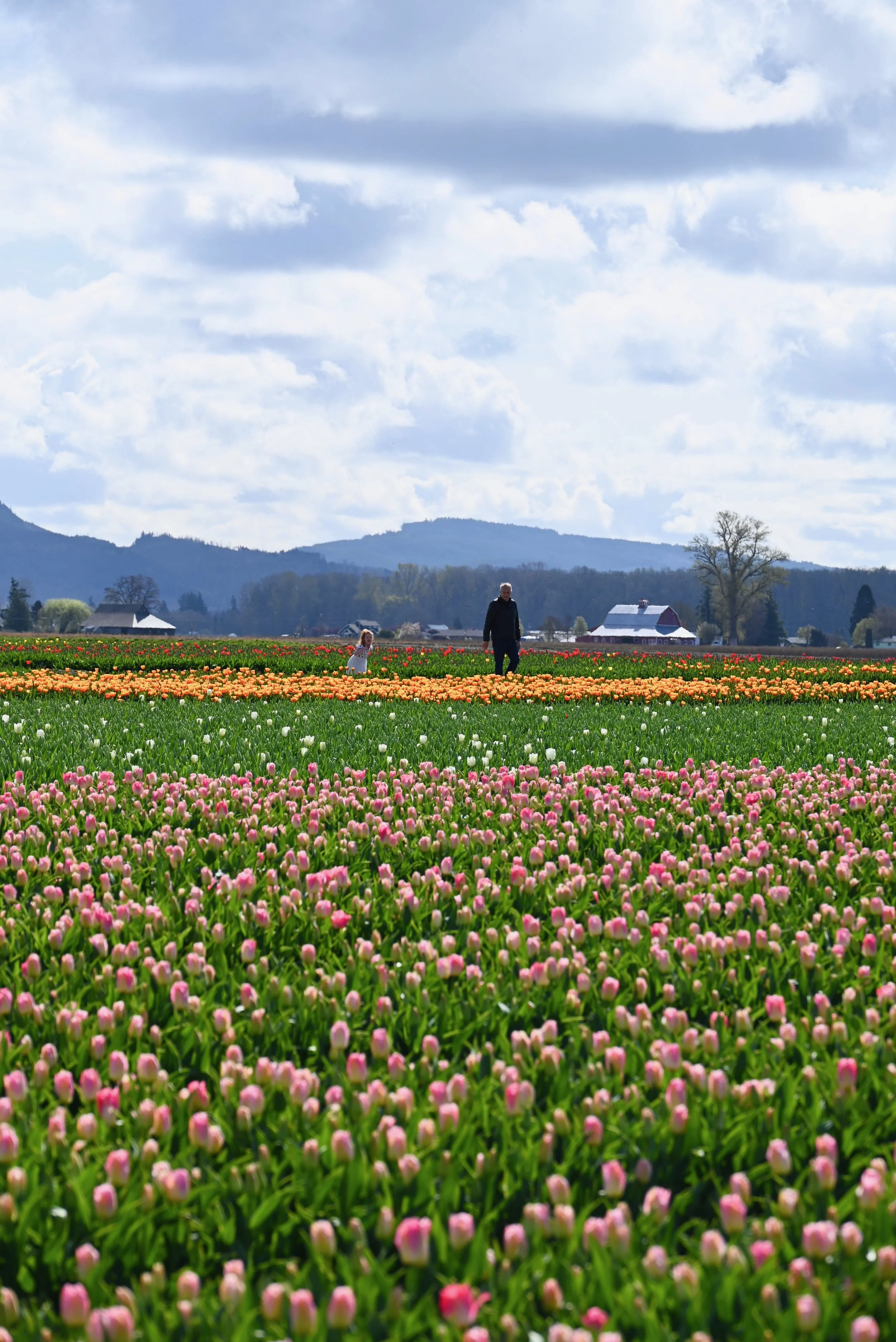
Throughout the month of April, Skagit Valley hosts a tulip festival that brings people from all over. Millions of tulips bloom across dozens of farms. Several farms allow visitors to wander through the fields (after paying an admission fee); a few even offer you to cut your own tulip stems. The festival also includes music performances, a tulip parade and a street fair. There are multiple different gardens you can visit to see the tulips:
Roozengaarde - the most popular and largest tulip garden in the area. If you have never been to any of the tulip fields, this is the one I would recommend. The sheer scale of the gardens (more than 50 acres) and the variety. Not only do they have large fields of tulips, they also have a beautifully designed display garden. They also have on-site dining, a gift shop where you can buy festival merch or fresh-cut flowers. This garden is very busy during the weekends. This garden has more tulips than anywhere outside of the Netherlands. Note that no dogs are allowed. Costs $23 on weekends and $19 on weekdays for any visitors over 3 years old.
Tulip Valley Farms - 15 acres of tulip fields, most of which is u-pick. There are also display tulip gardens and farm animals like mini highland cows. Dogs are welcome at this farm. There are food options at the farm. There is a good variety of types of tulips to a make your own bouquet at a reasonable price. Costs $18 on weekends and $16 on weekdays for adults for regular admission. For U-pick (includes 10-stems), it costs $33 or $31 for adults. You can purchase additional u-pick bouquets for $15 online in advance or $20 the day of.
Tulip Town - 6 acres of tulip fields - including display gardens. Ticket includes a trolley ride around the tulip fields. Dogs are welcome at this farm. There are some food options at the farm. Ticket prices are $21 for adults and $12 for kids 6+.
Garden Rosalyn - 7 acres of tulip fields including a pond and windmill. Beautiful display gardens. Dogs are welcome and you can bring a picnic with food you’ve brought or from the on-site vendors. Ticket prices are $19 for adults and $17 for kids under 12.
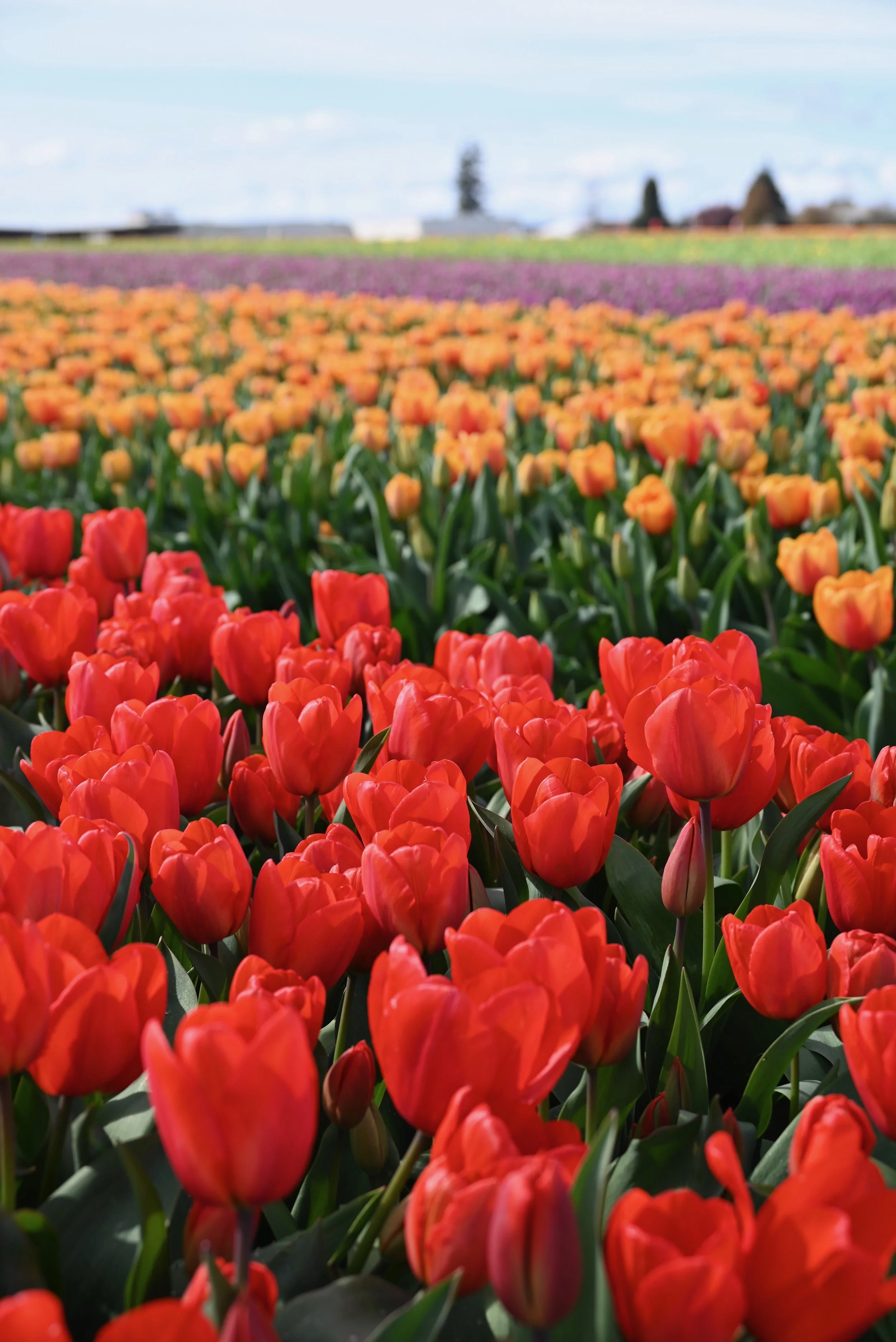
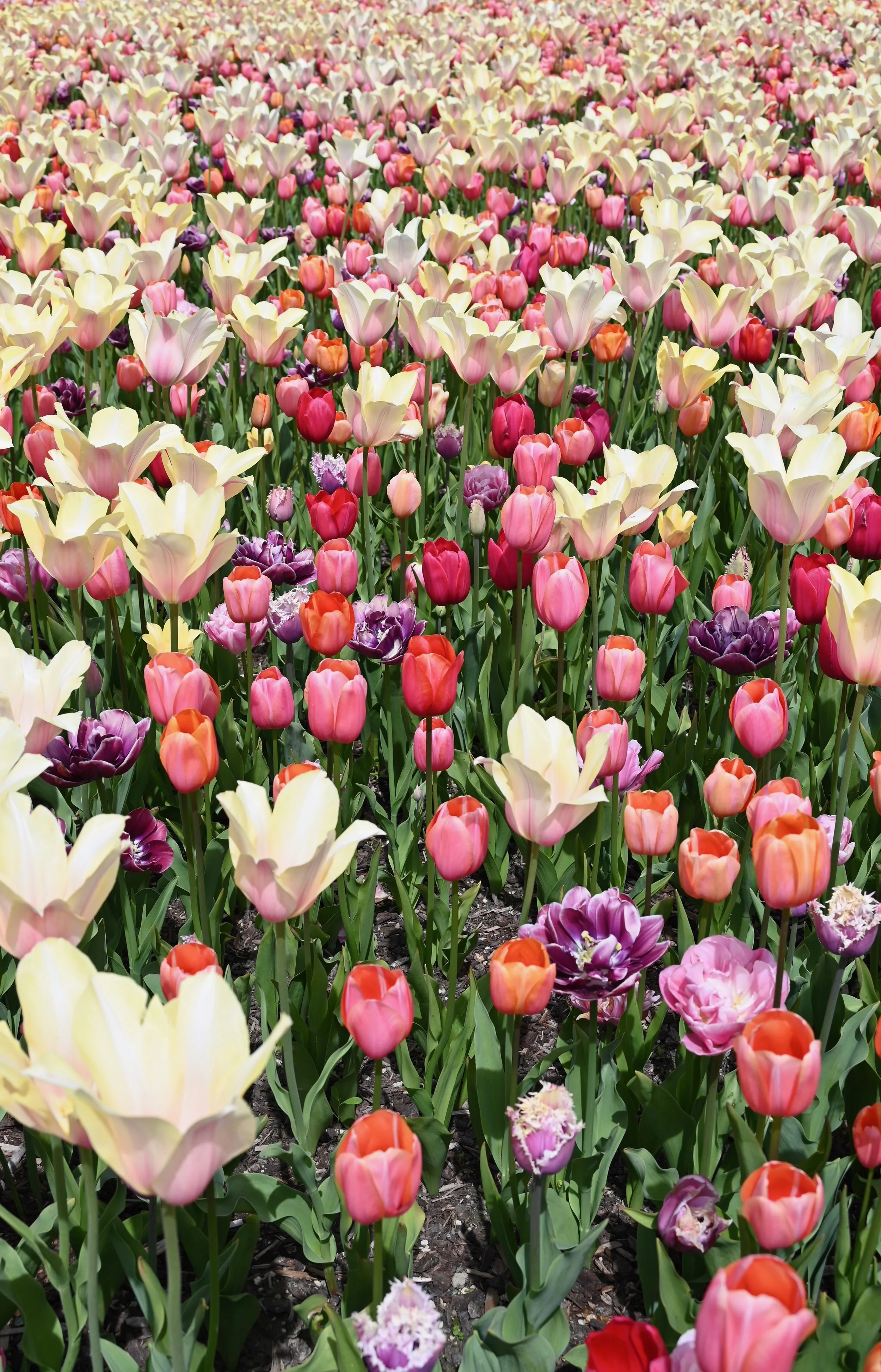
There are many more tulip farms you can drive past in the area. I would recommend picking one or two of the farms to visit and spending the rest of the day driving around the fields or getting a meal in Mount Vernon, WA. I would highly recommend looking up the bloom reports before driving up there from Seattle. The weather controls how early or late the tulips bloom in April. While there are multiple different varieties of tulips and you will likely see tulips no matter when you visit in April, peak bloom is truly magical if you have the flexibility.
La Conner Daffodil Festival
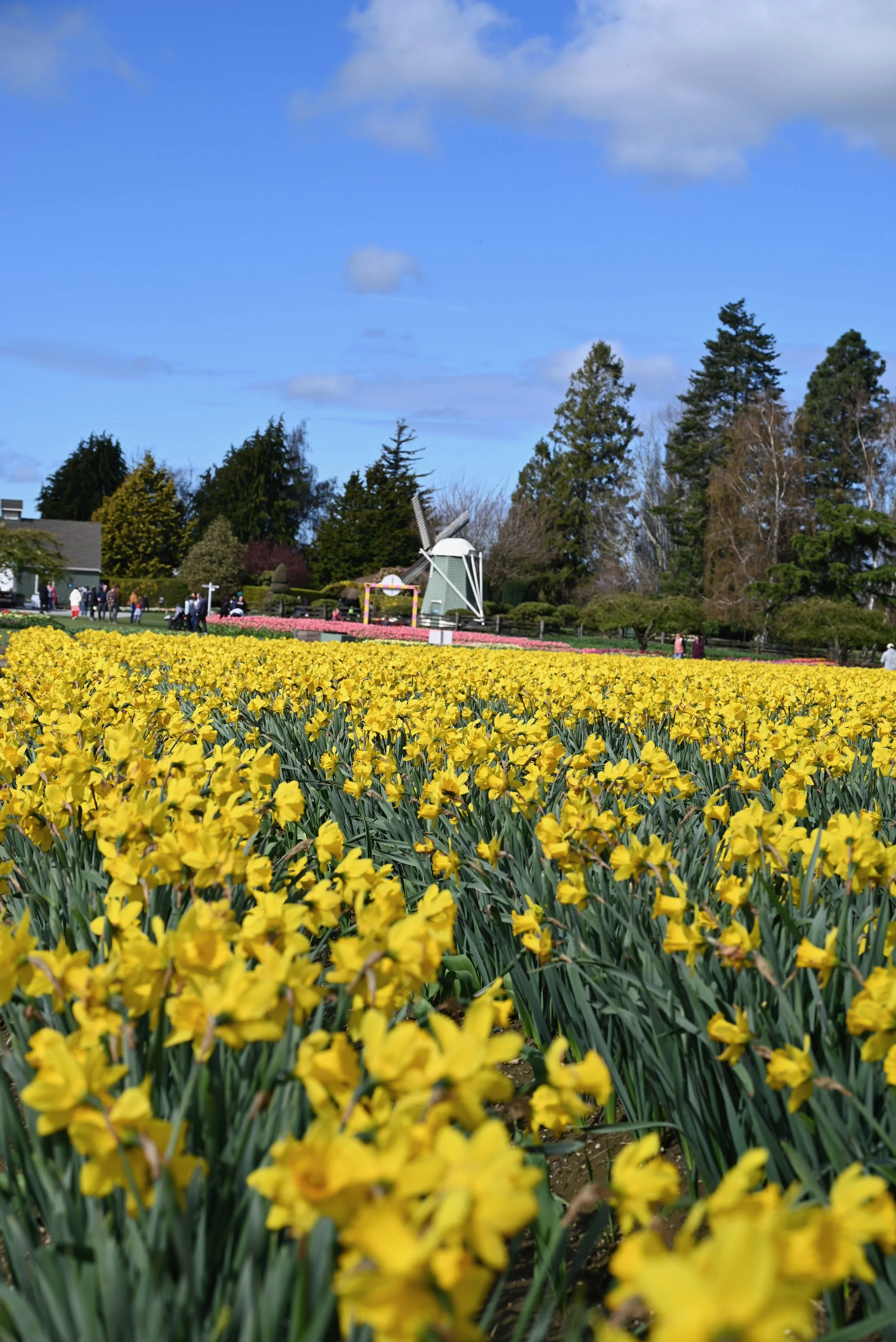
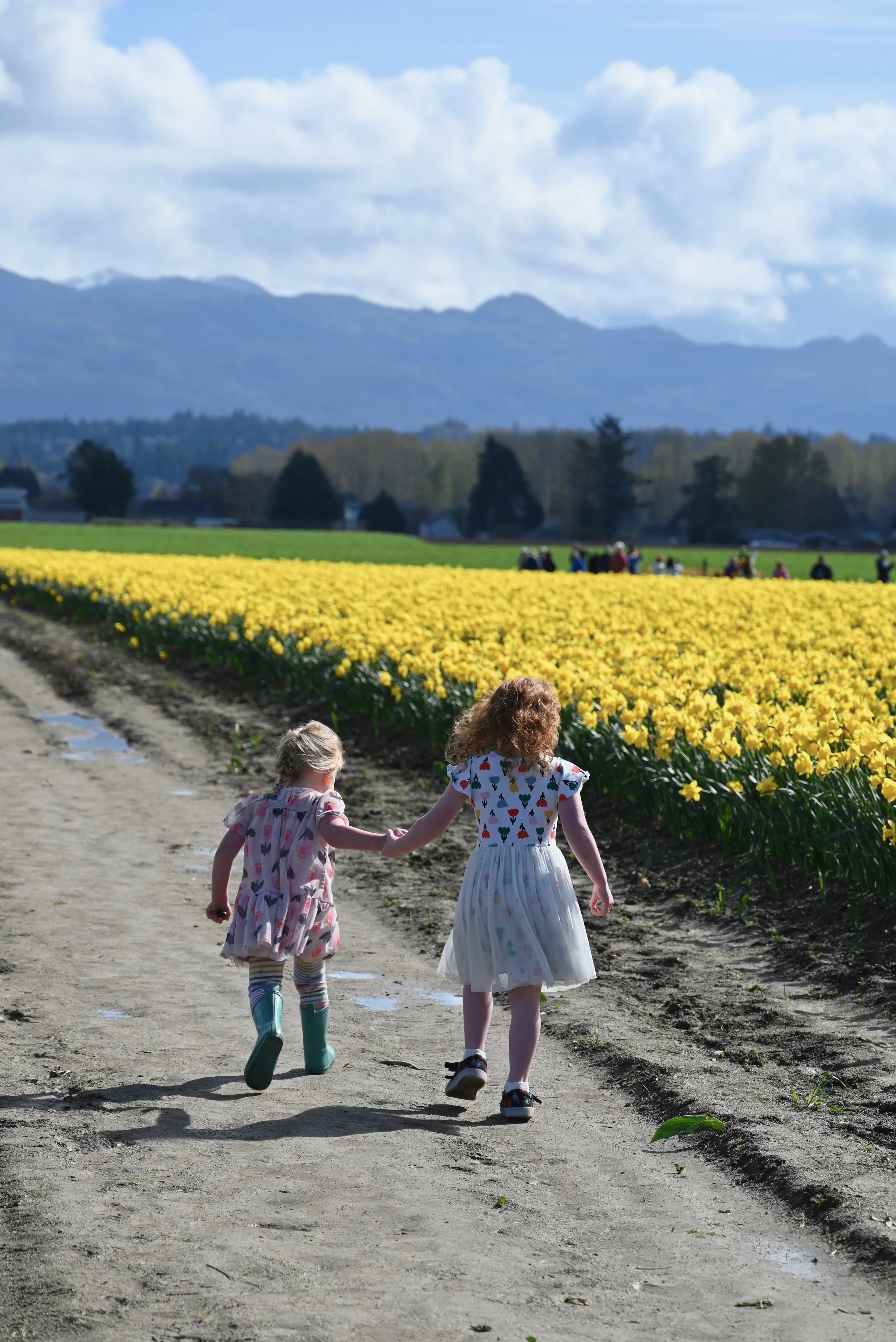
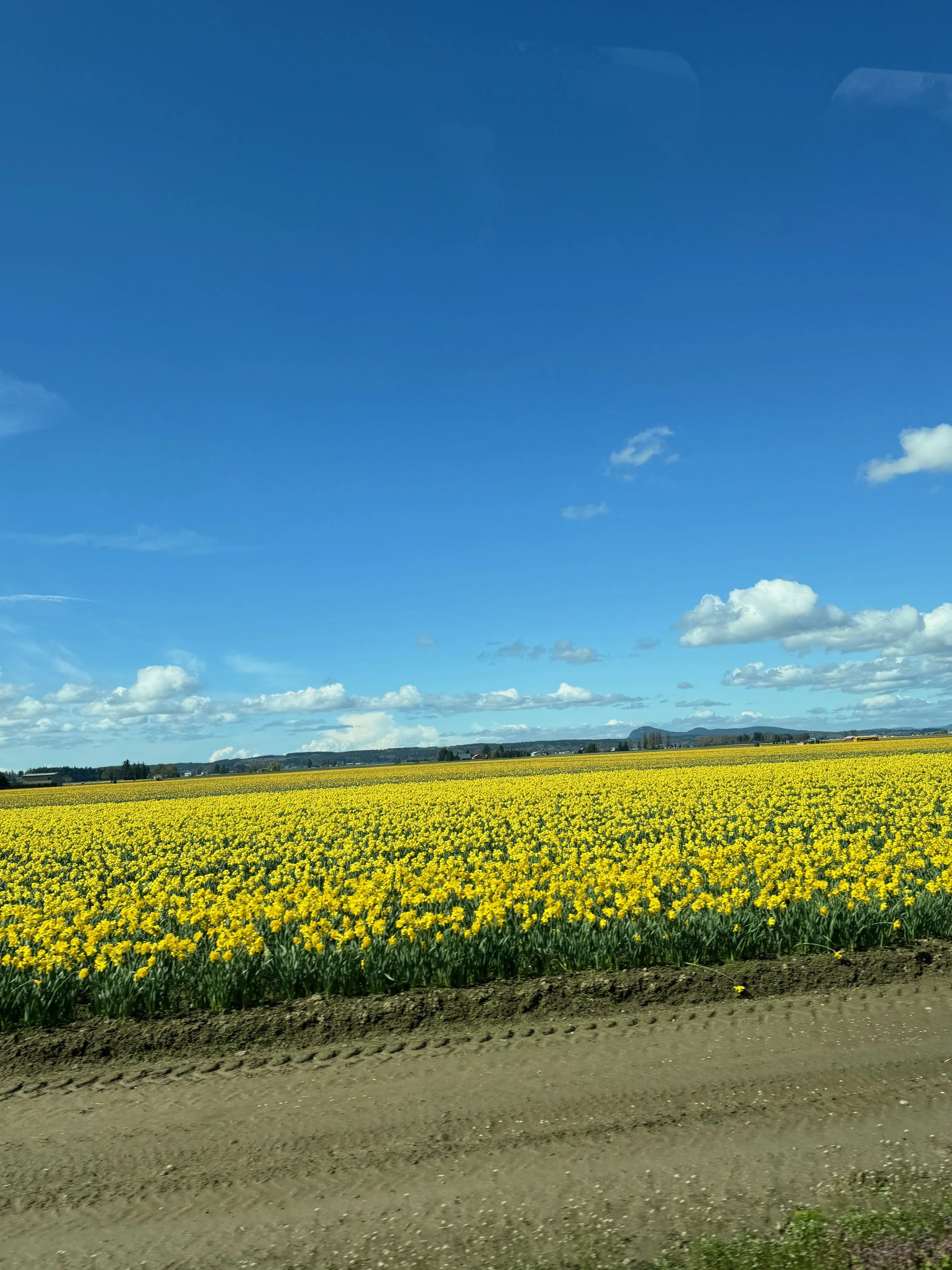
Similar to the Skagit Valley Tulip Festival, the La Conner Daffodil Festival is held in Skagit Valley as well, just a month earlier in March. You can drive to see the scenic fields of yellow at several spots around the area - here is a map of the locations and whether they are blooming. Be sure not to enter onto farms and just observe from the road. A couple of the same farms are open in march displaying their daffodils. Roozengaarde and Tulip Valley Farms both have impressive displays of daffodils. Tulip Valley Farms, just like their u-pick tulips, offers a u-pick daffodil experience. Downtown La Conner is also decorated and has events and restaurant specials for the occasion.
Holi or Seattle Color Festival
Holi, the Hindu festival of colors, is celebrated in March to mark the arrival of Spring. Throughout the Seattle region, multiple Holi festivals are celebrated for both Hindi people and not. The most popular events being the Seattle Color Festival at the Seattle Center, Bellevue’s Holi festival at Crossroads Park, Redmond’s Festival of Color at Redmond City Hall (formerly at Marymoor Park), and Bothell’s Holi Fest. These celebrations span throughout the month and often require pre-registration. Most are free to attend, you will just need to pay for parking and the color packets. Roozengaarde actually has more acres of daffodils than tulips. Both farms have multiple varieties of daffodils.
Spring Fair in Puyallup
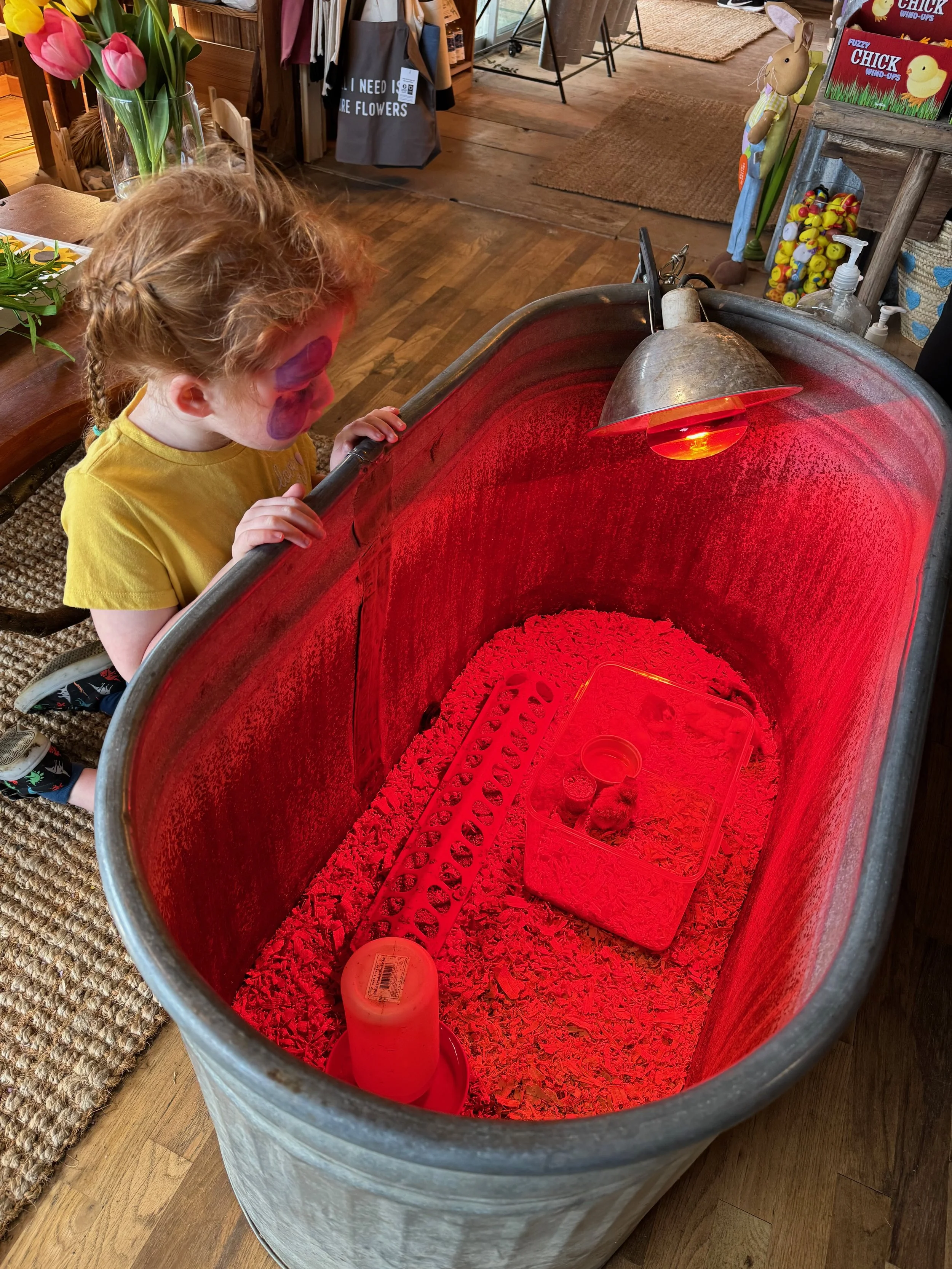
The big state fair is hosted every September in Puyallup, but the fair grounds puts on a fair for two weekends every spring. The spring fair typically takes place mid-April and includes rides, farm animals, food and performances.
Easter Events
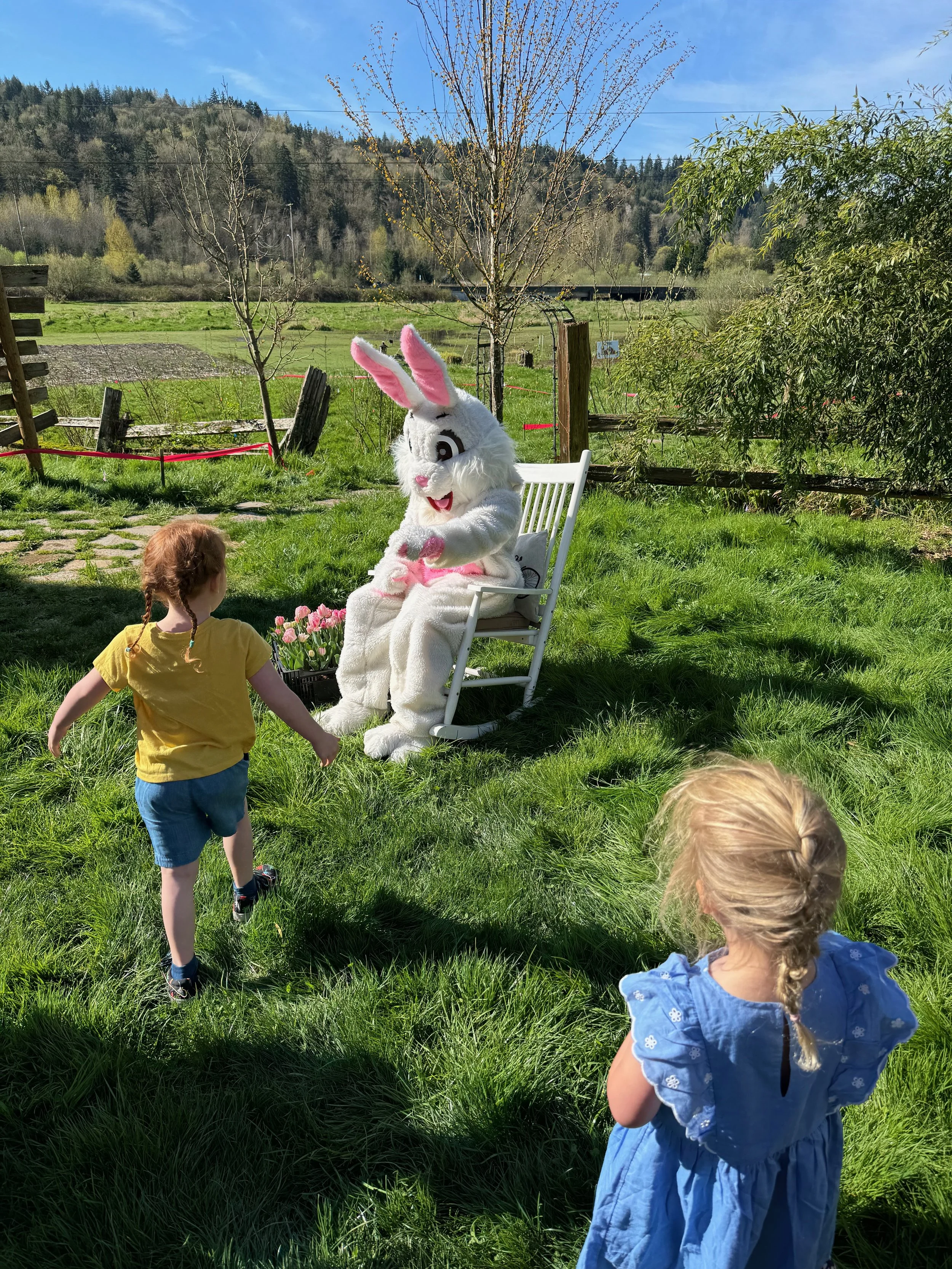
There are a wide variety of public Easter events throughout Seattle. Visit Seattle Parks and Rec’s website for community center events including egg hunts separated by ages and even glow in the dark egg hunts for teens. Many farms in the great Seattle area have Easter events including Thomasson Family Farm, Red Barn Farm, and many more. The Woodland Park Zoo and the Aquarium host spring or easter themed celebrations. Actual events change from year to year.
Outdoor places to explore
Discovery Park
Discovery park could fit in the earlier section about the best place to see blooms as you can see flowering trees throughout the park. However, those beautiful trees, rhododendrons, and lupines are just icing on the gorgeous cake that is Discovery Park. Hikes, tide pools, a lighthouse, beaches, wildlife sightings, playgrounds, open fields, and so much more. Discovery Park is often ranked the top park in Seattle for good reason. If you are coming to see the lupines later in the spring - take the Hidden valley Trail to the South Trail.
Burke-Gilman Trail
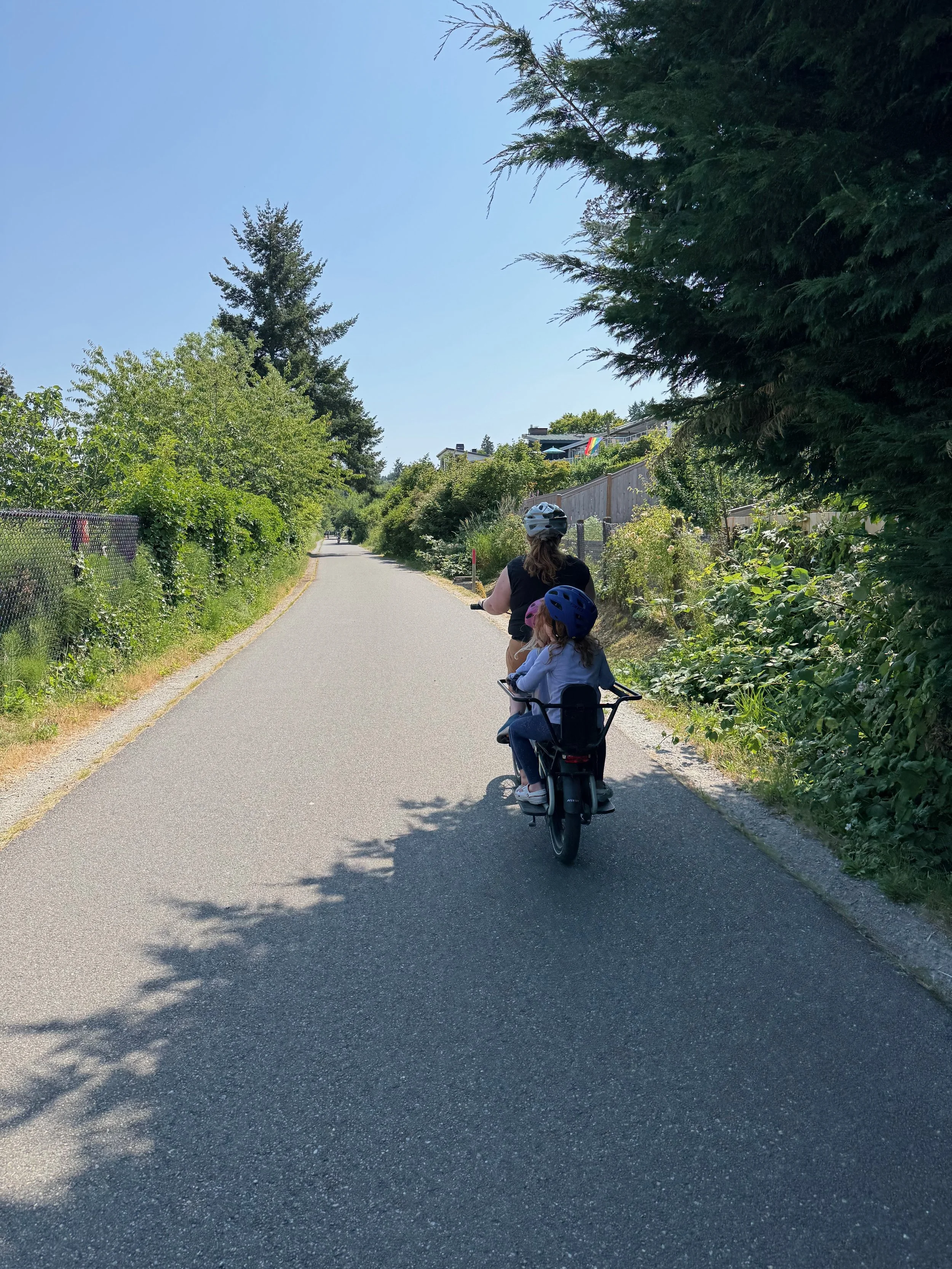
Warmer weather and more dry days always gets me thinking about getting out to run or bike. The Burke-Gilman Trail is perfect for this. The trail follows along both Lake Washington and lake union through north Seattle and the northern suburbs.
Bainbridge Island
Bainbridge Island gets a lot of visitors in the summer months but is often overlooked in the shoulder months. Bainbridge Island is a great day trip from Seattle in the spring. You can find a good weather day and explore all of the nature Bainbridge has to offer. In spring some of our favorite places to visit include downtown Winslow, Kids Discovery Museum, Japanese American Exclusion Memorial, Halls Hill Lookout and Labyrinth, Fort Ward Park, Battle Point Park, Bloedel Reserve, and Fay Bainbridge Park.
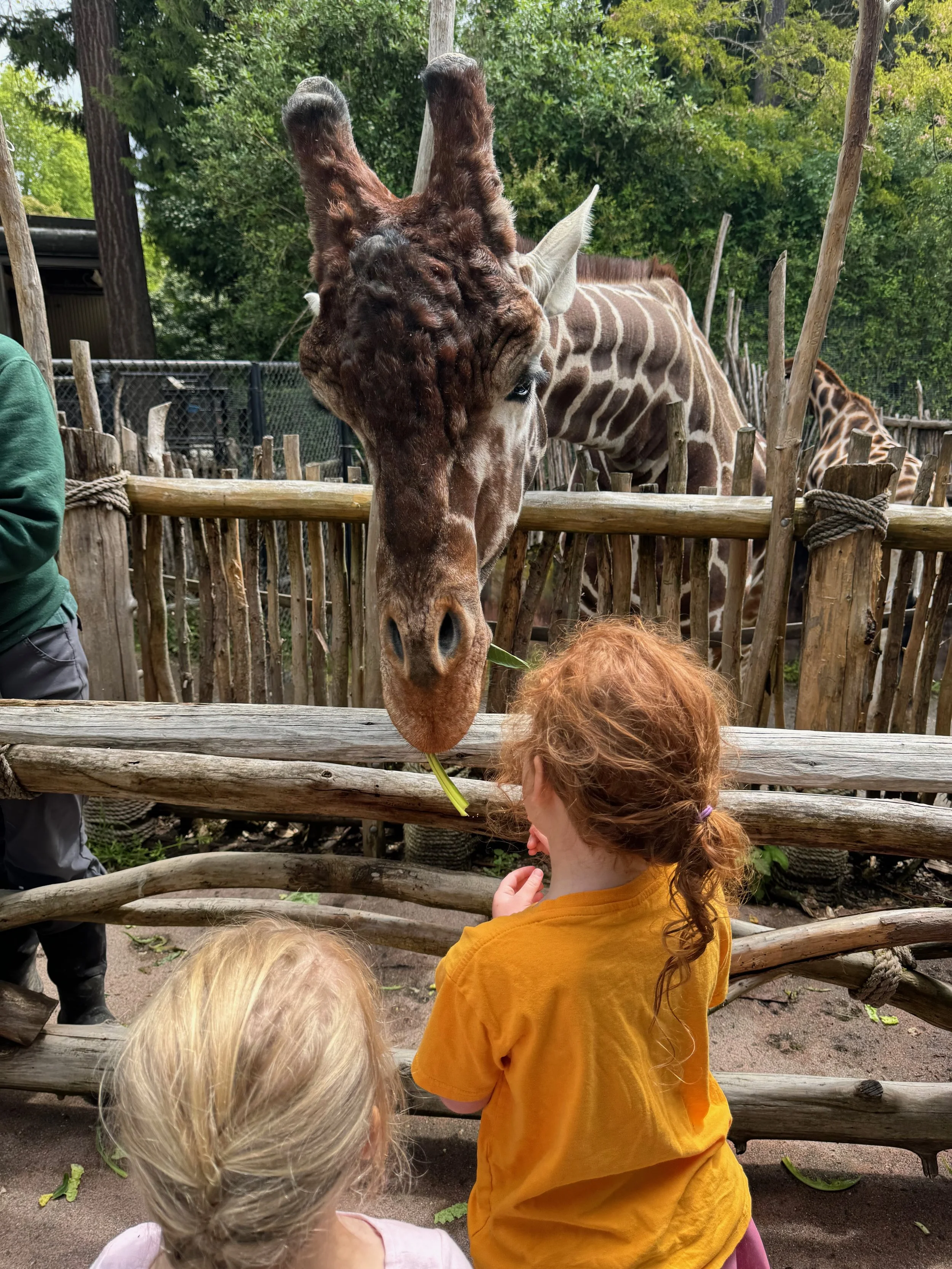
Woodland Park Zoo
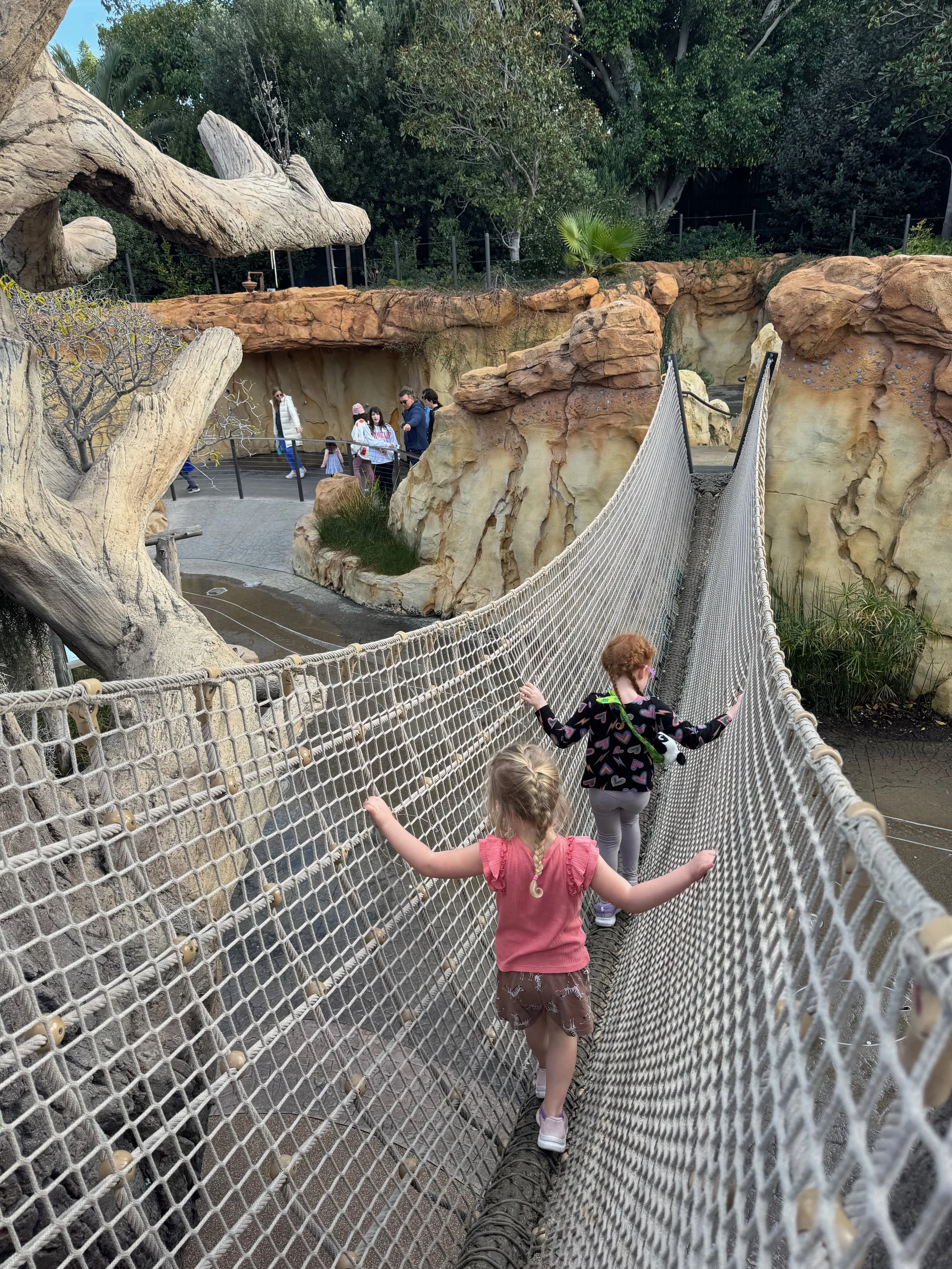
Carrying on the theme of visiting places before they get overwhelmed with tourists in the summer, the Woodland Park Zoo shines all year long and is a great spring outing. In the off-season, Woodland Park Zoo offers discounted tickets for adults during “Kid at Heart Days” where adults admission is the same as the child admission price. There are a few beautiful cherry blossom trees around the zoo as well. In Woodland Park, close to the zoo, there is a rose garden that will start blooming in May.
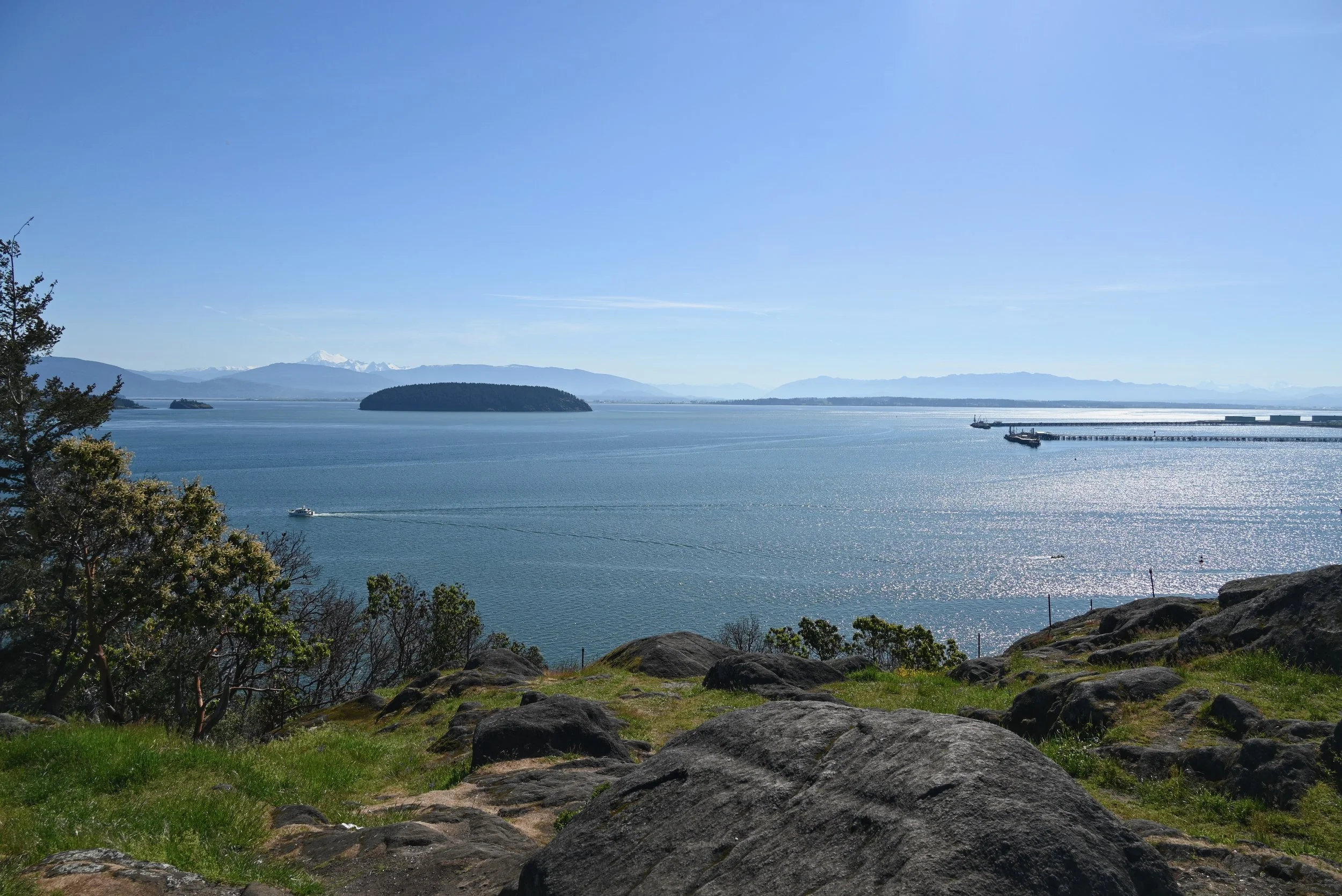
Whidbey Island & Deception pass State Park
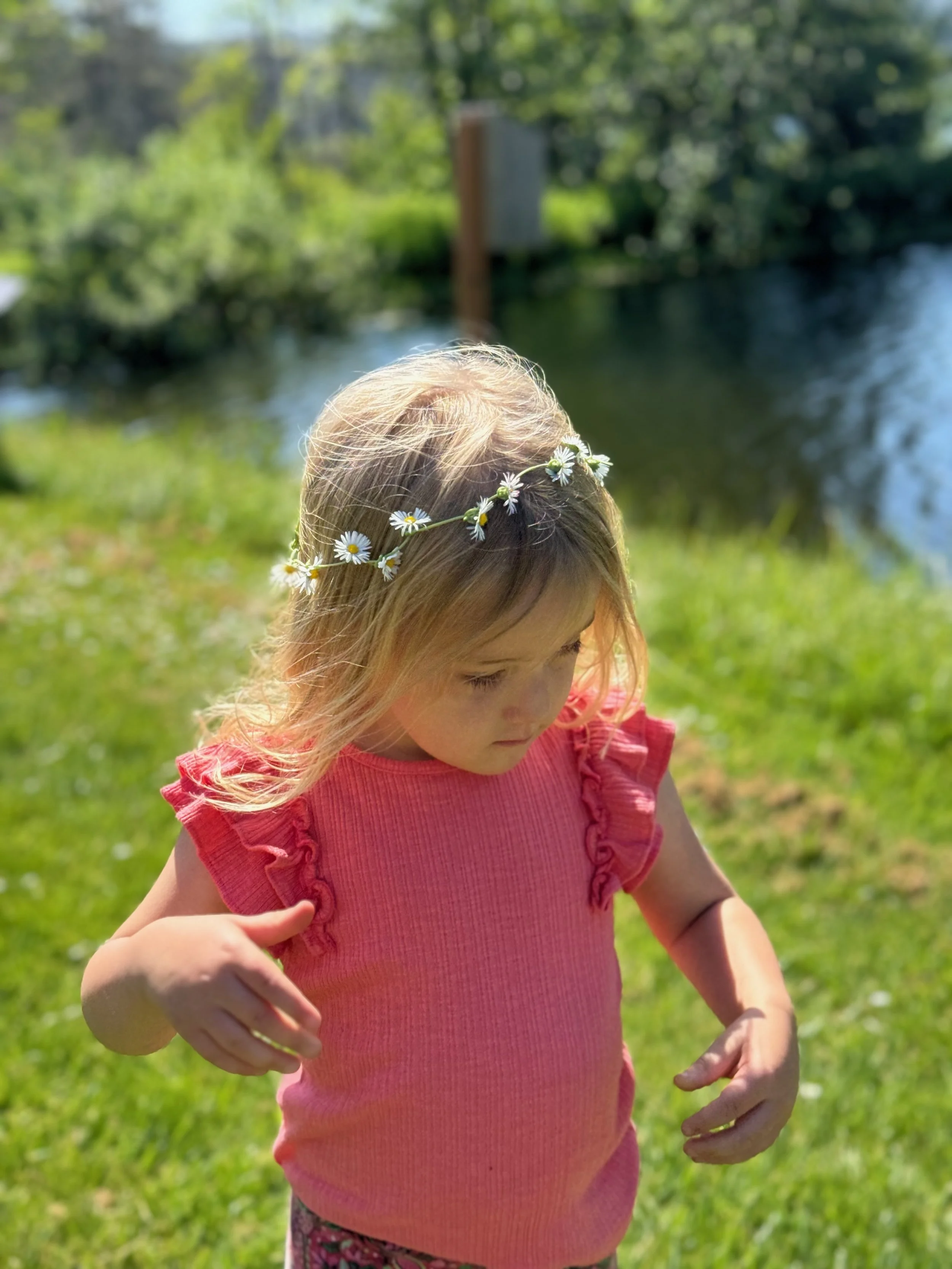
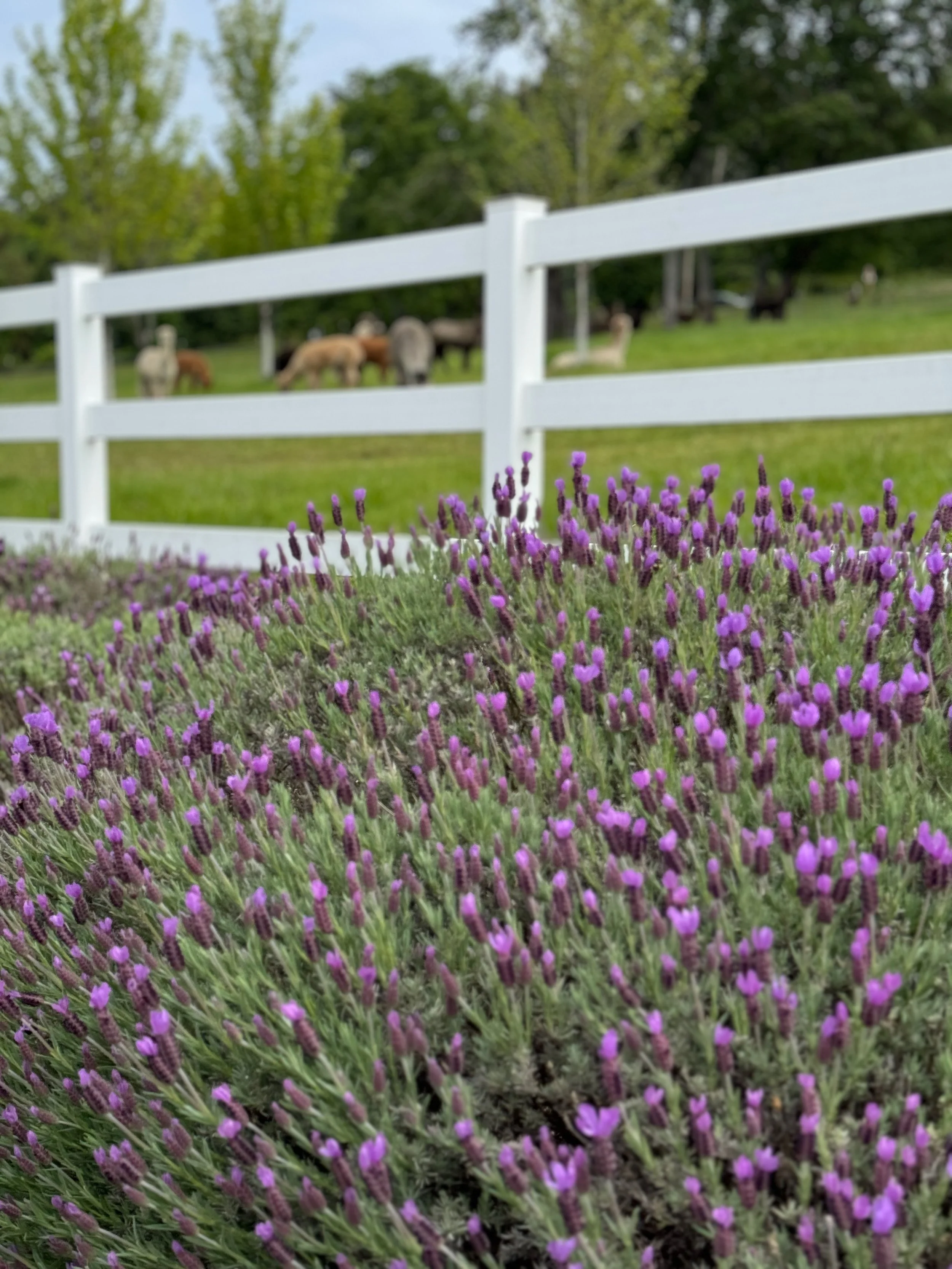
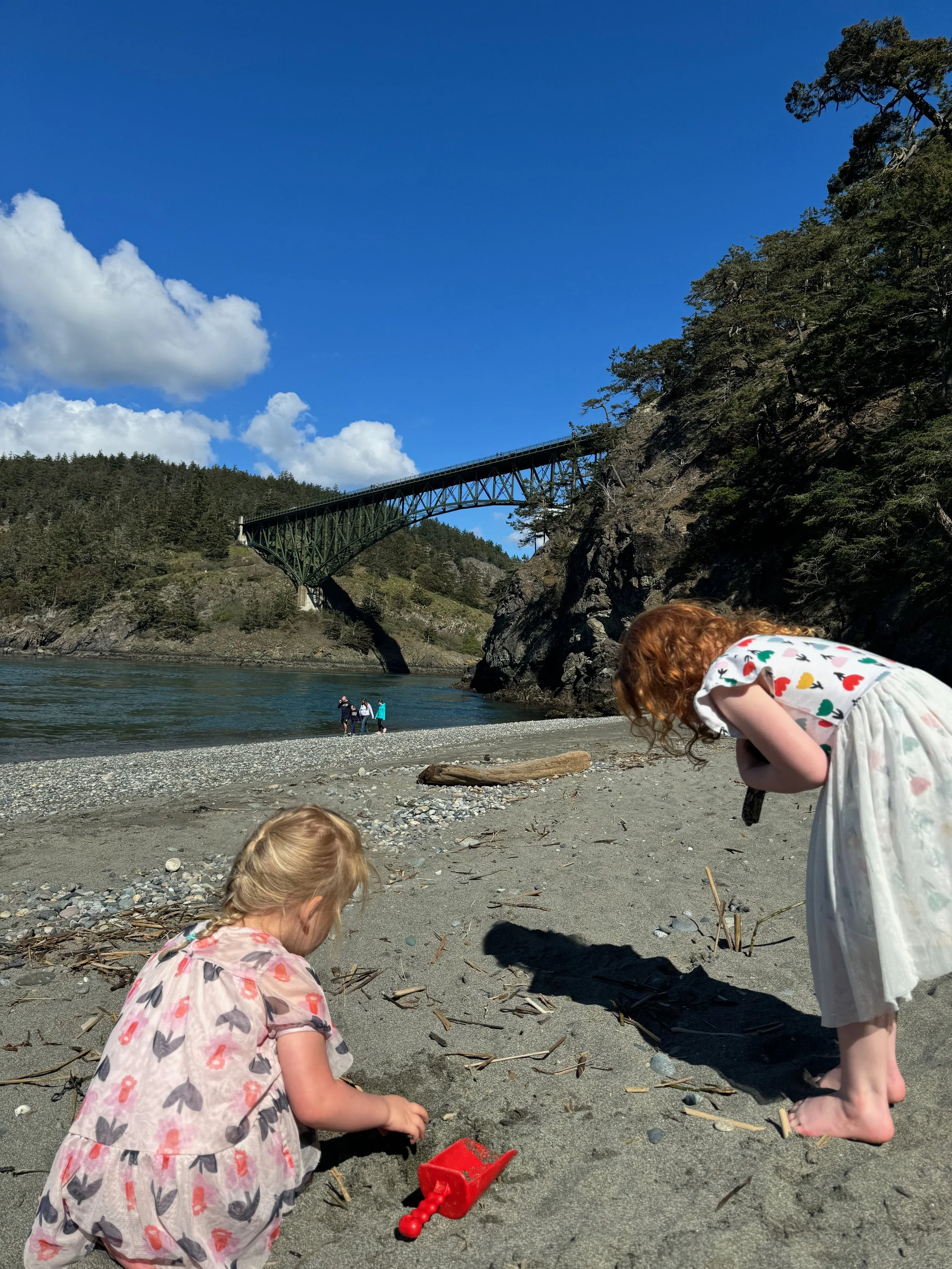
Whidbey Island is our favorite island day trip from Seattle. There are countless things to do there and each time you visit you can explore all new areas of the island that you hadn’t before. Spring is a perfect time to visit Whidbey Island before it gets busy in the summer months. Below is an article that goes over all of the best places to visit on Whidbey Island separated by region of the island.
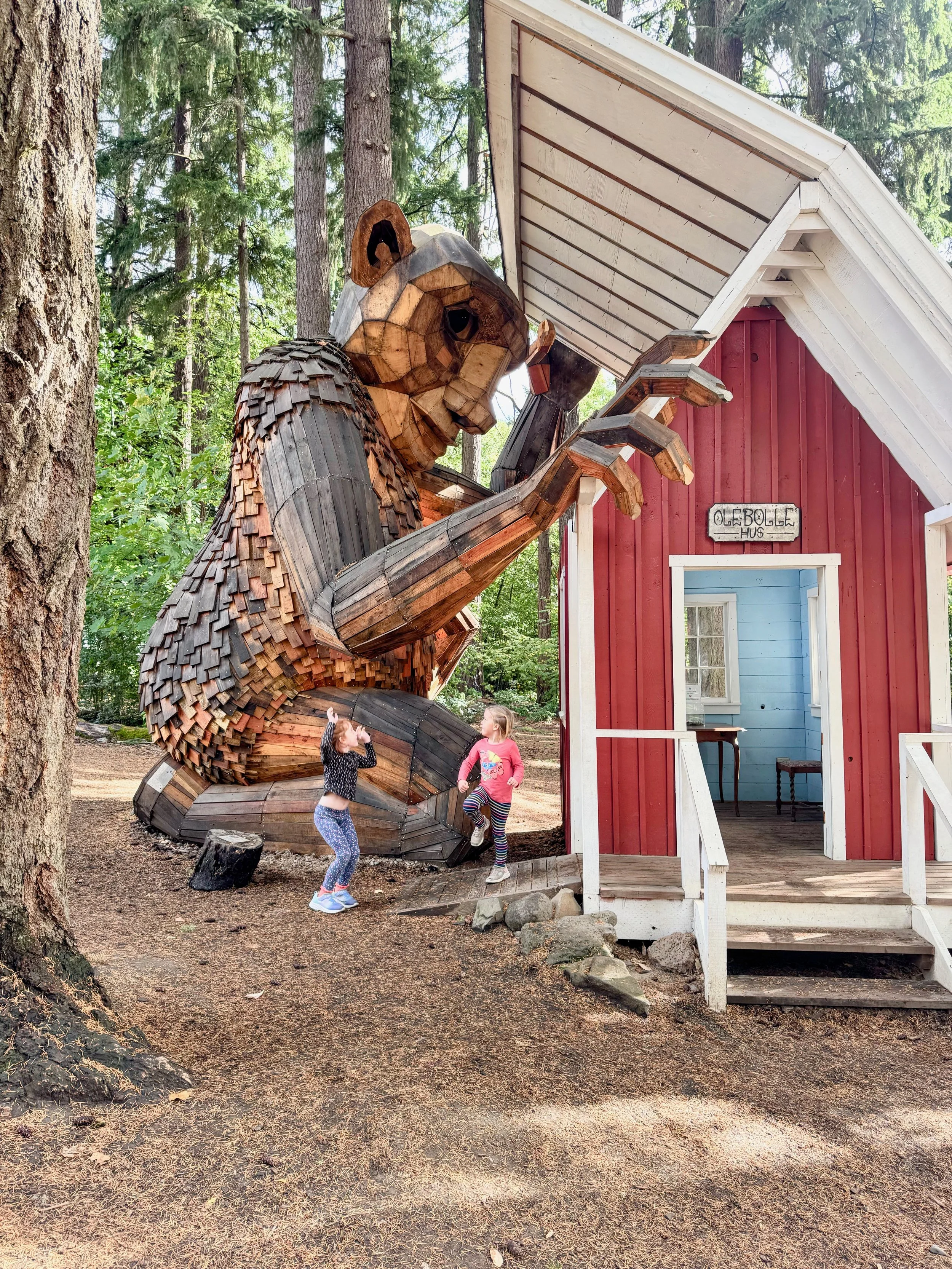
Troll Hunt
Spring is a great season to go on a hunt for Thomas Dambo’s trolls. For more information visit our article on all of the trolls in the area:
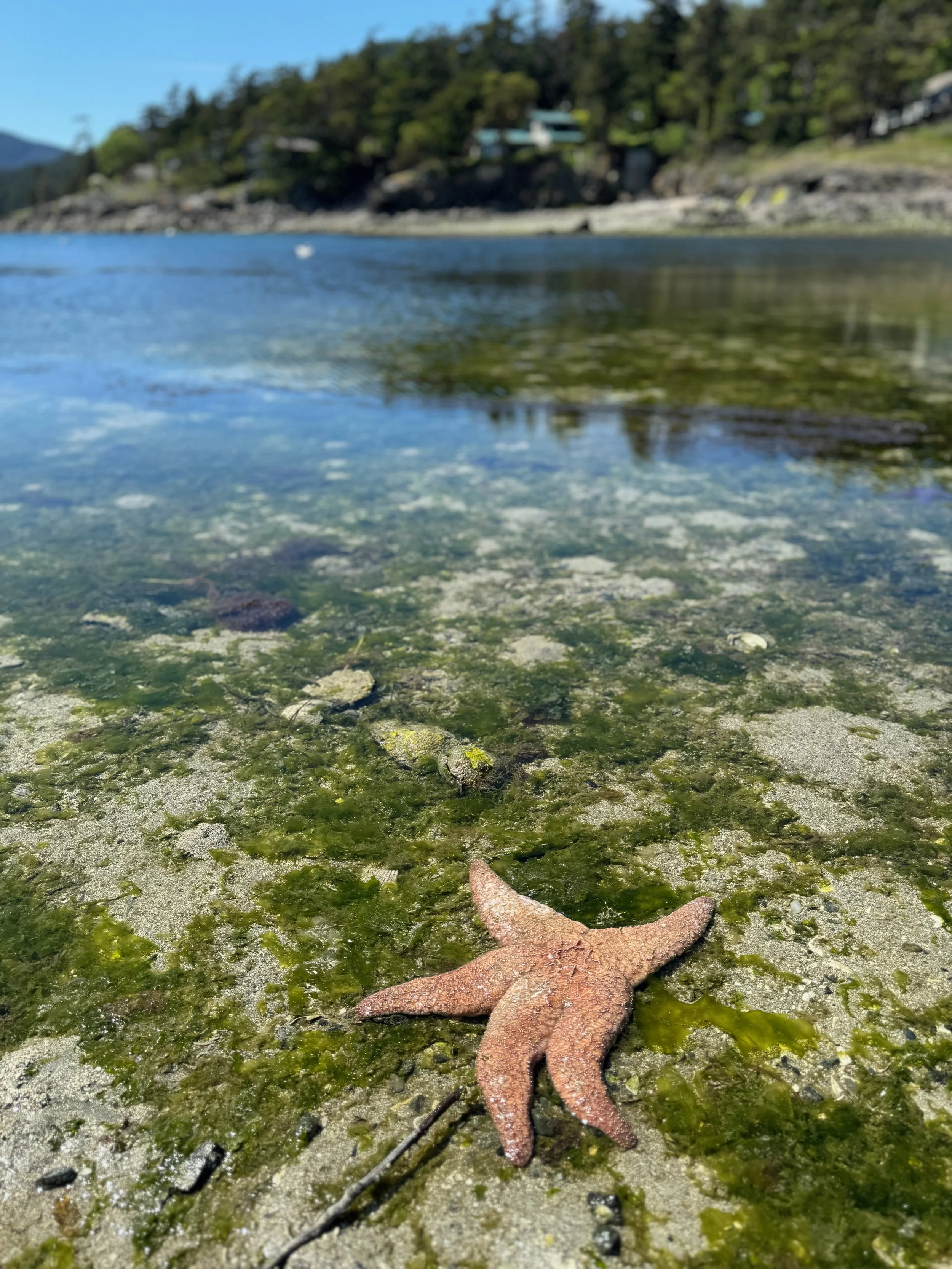
Tide pooling
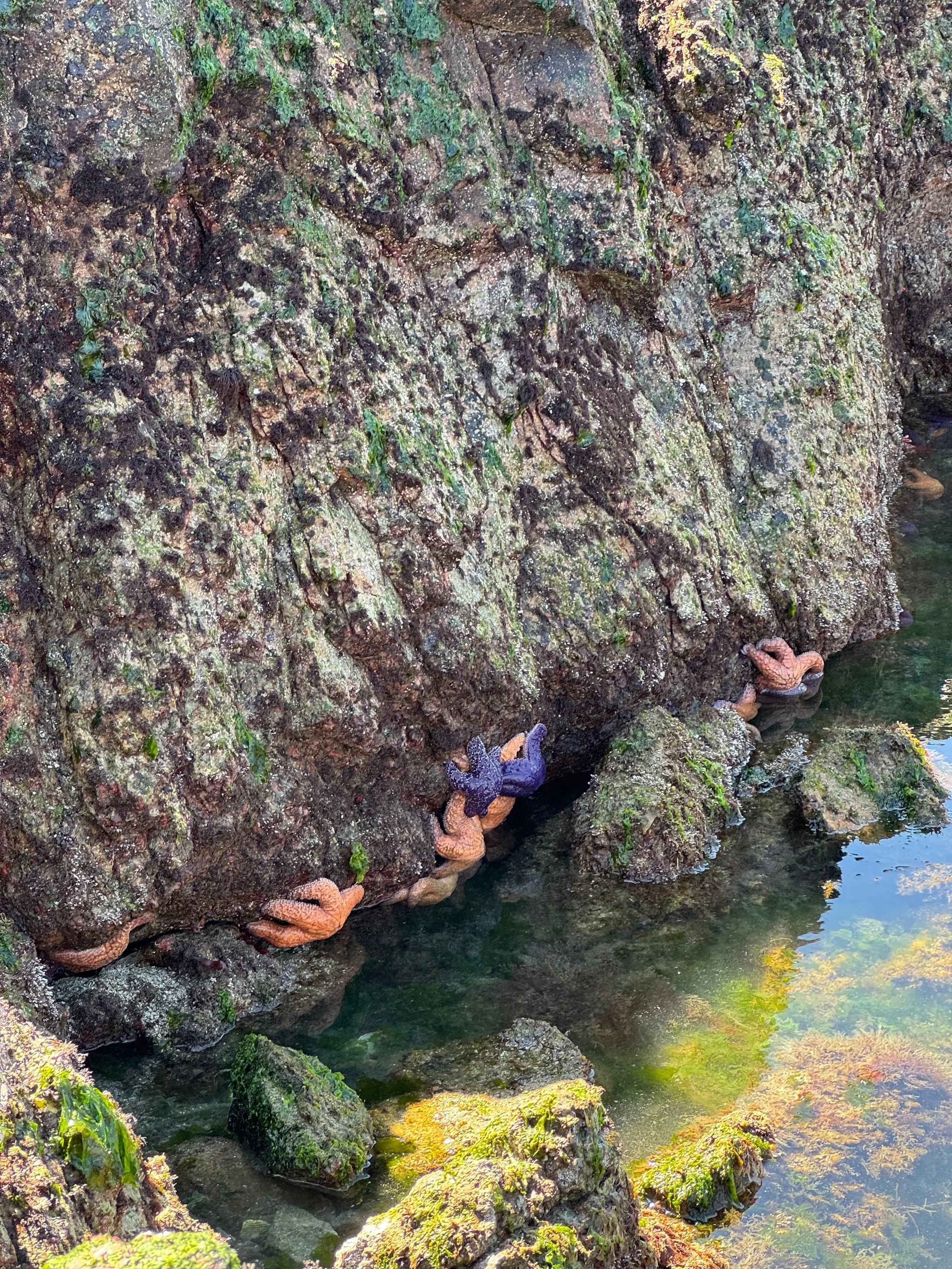
Spring marks the start of some good daytime low tides. There are usually a week or two of decent low tides in March and April and often some really great low tides in May. Check the low tide chart for the most accurate information. Some of our favorite places in the Seattle area for low tides include Discovery Park, Brackett’s Landing in Edmonds, Golden Gardens, Carkeek Park, and Rockaway Beach park on Bainbridge Island.
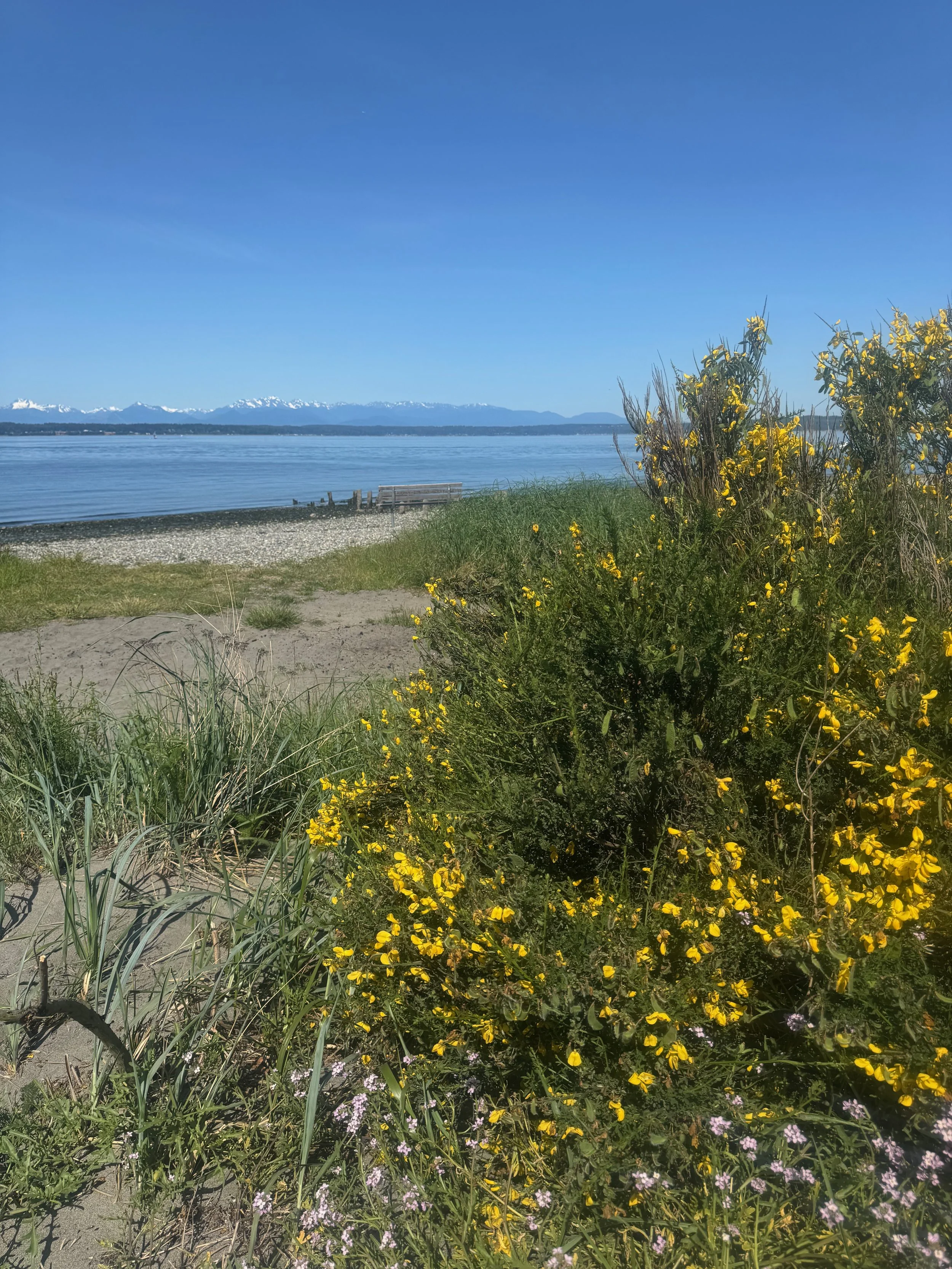
Whale Watching
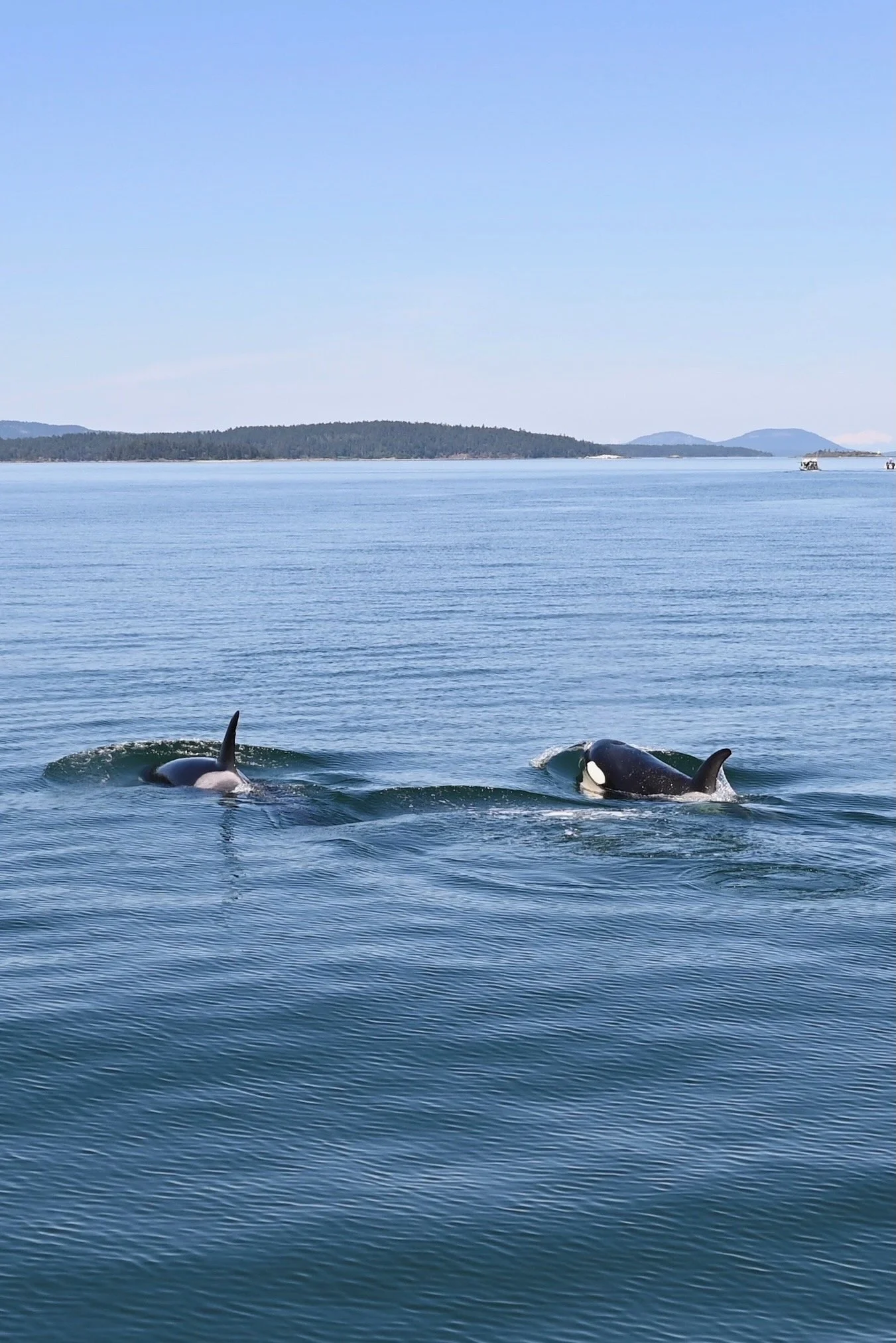
Spring starts whale season in Seattle. Gray Whales return to the Puget Sound every year from March to May to eat the ghost shrimp in the shallow waters of the sound. These whales can be best seen north of seattle on Whidbey Island, Camano Island and near Everett. There are a variety of Orca whales that can be seen in the Puget Sound, some are resident whales and live in the area year round and others are transient. Orcas are best seen from April to October. Puget Sound also has Humpback Whales that can be seen May to October. While you can get lucky and see whales from the beach, it is quite rare and many lifelong Seattlelites have not been as lucky. You can also potentially see whales from a ferry - we’ve done dozens of ferries and seen Orcas from one once in the San Juan Islands. The best way to guarantee to see whales is on a whale watching boat tour. These depart from numerous spots including downtown Seattle, Edmonds, Anacortes, the San Juan Islands, and Bellingham.

Museums & inside places
Spring in Seattle is not all sunshine and spring blooms. There is still plenty of gray rainy days that keep our state so green. If you find yourself wanting to get on a rainy day, you can find joy just getting on your rain coat and walking through flower fields. If you would like a more dry adventure, visit one of the many museums or indoor places within Seattle.
Pike Place market
No matter how much love they get, the flower stalls at Pike Place Market I will always considered underrated. You can get some amazing prices are truly beautiful bouquets at Pike Place Market and any other farmers market in the area. Pike Place Market gives out thousands of free Daffodils to visitors on the first day of spring. Later in Spring, Pike Place hosts a flower festival over Mother’s Day Weekend. If you are not able to make it to either of those, Pike Place Market is great to visit any day of spring to see all of the flowers likely freshly picked that morning, enjoy any of the dozens of food vendors or wander the craft section of the market.
Chihuly Garden & Glass & Seattle Center
An absolute gorgeous museum any time of the year, but the gardens which hold the glass sculptures are so colorful in the spring. If you are just visiting Seattle - make a whole day out of exploring the museums at Seattle Center and head up the Space Needle or go to the Pacific Science Center.
Kraken & Torrent Hockey
In early spring you can catch a game of one of Seattle’s two professional Hockey Teams. Both the Kraken (NHL) and Torrent (PWHL) host their games out of the Climate Pledge Arena in the Seattle Center.
Free First Thursday
One of our favorite ways to explore new museums is through free first Thursdays. Several museums in Seattle area have free admission on the first Thursday of the month, either the entire day or in the evening. This happens all year round, but I find myself utilizing it most in the spring. The museums that are included are the Seattle Japanese Garden (mentioned earlier), Burke Museum, Volunteer Park Conservatory, Seattle Art Museum, Holocaust Center for Humanity, Museum of Flight, Museum of History and Industry, Nordic Museum, and Seattle Asian Art Museum.
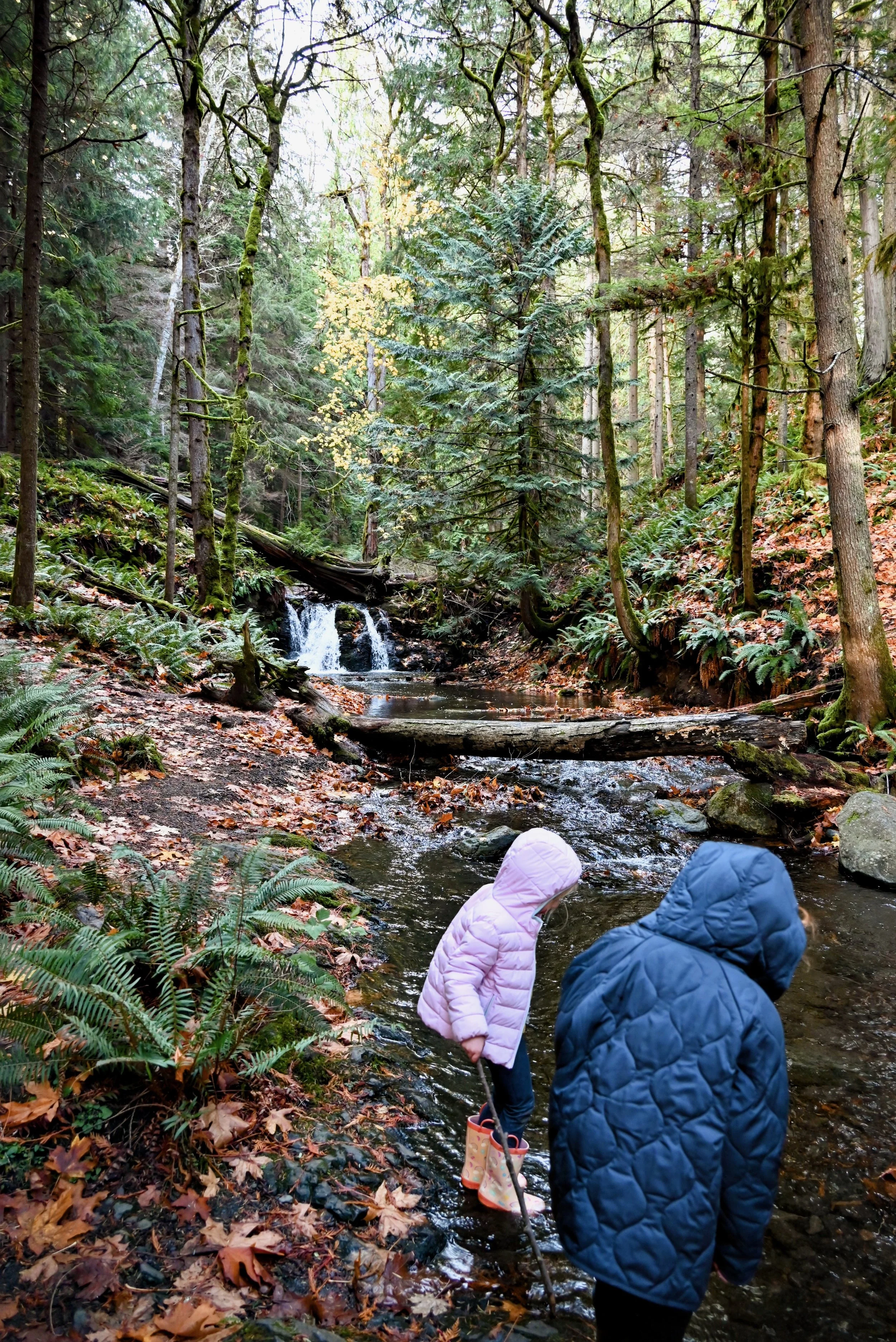
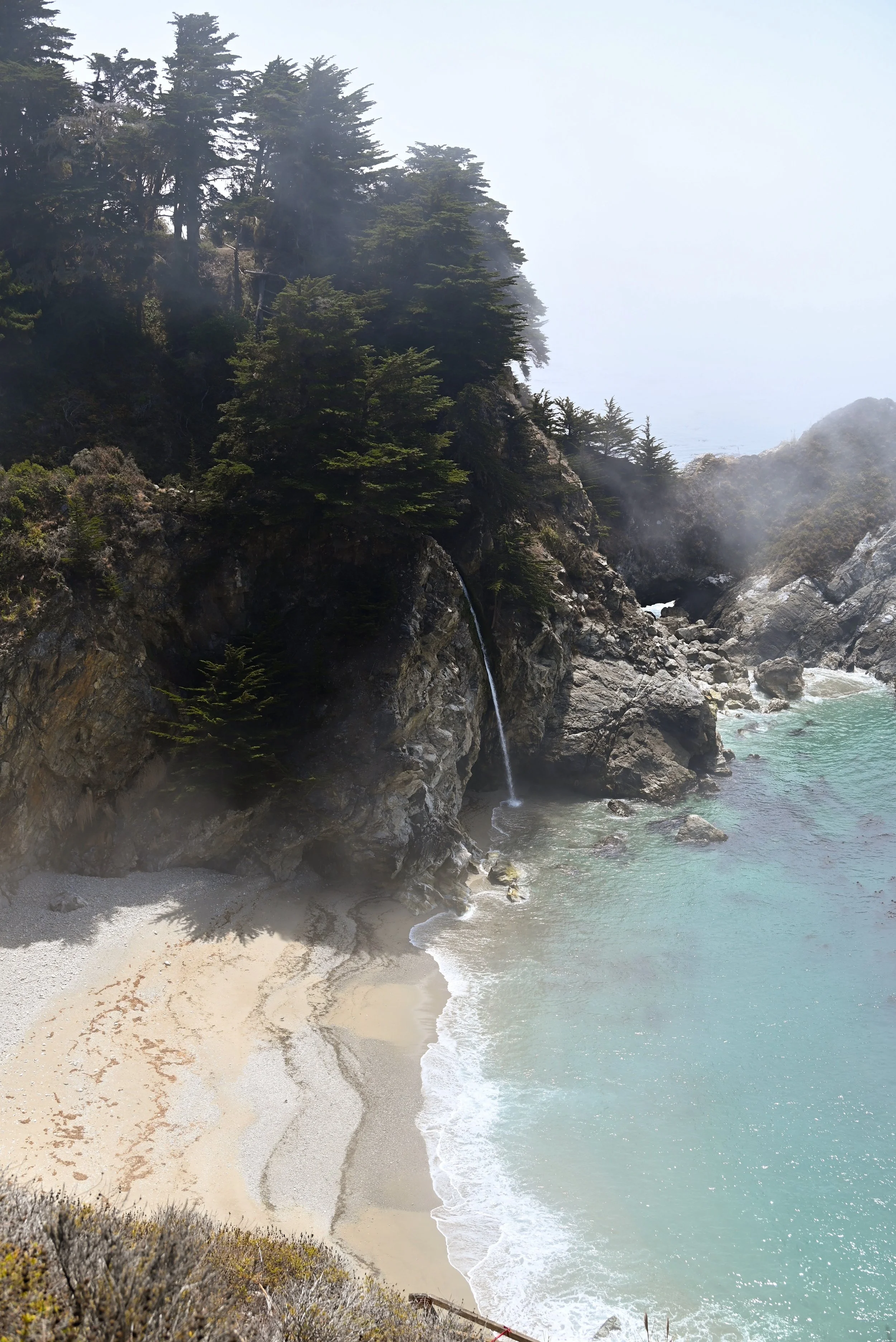
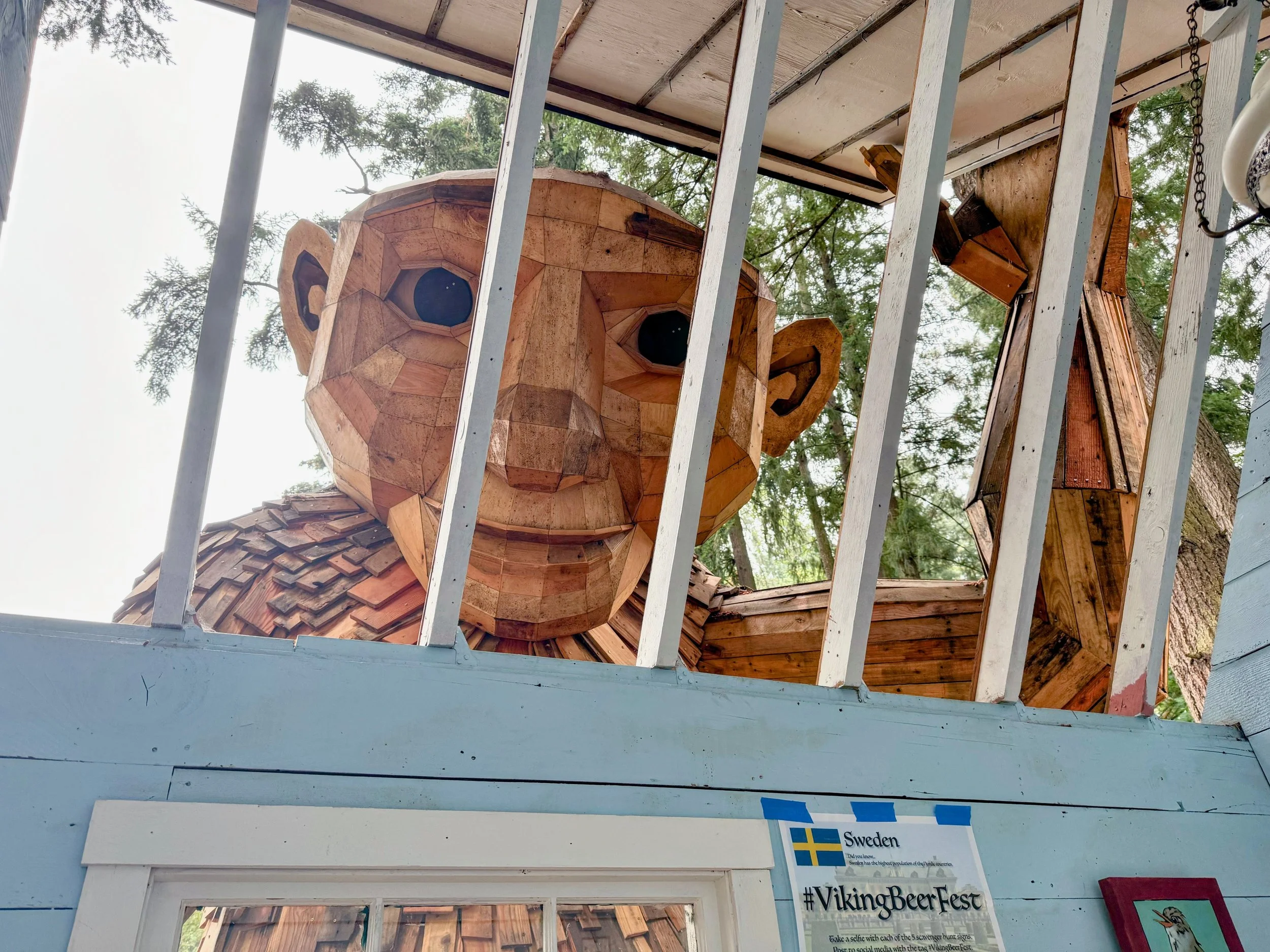
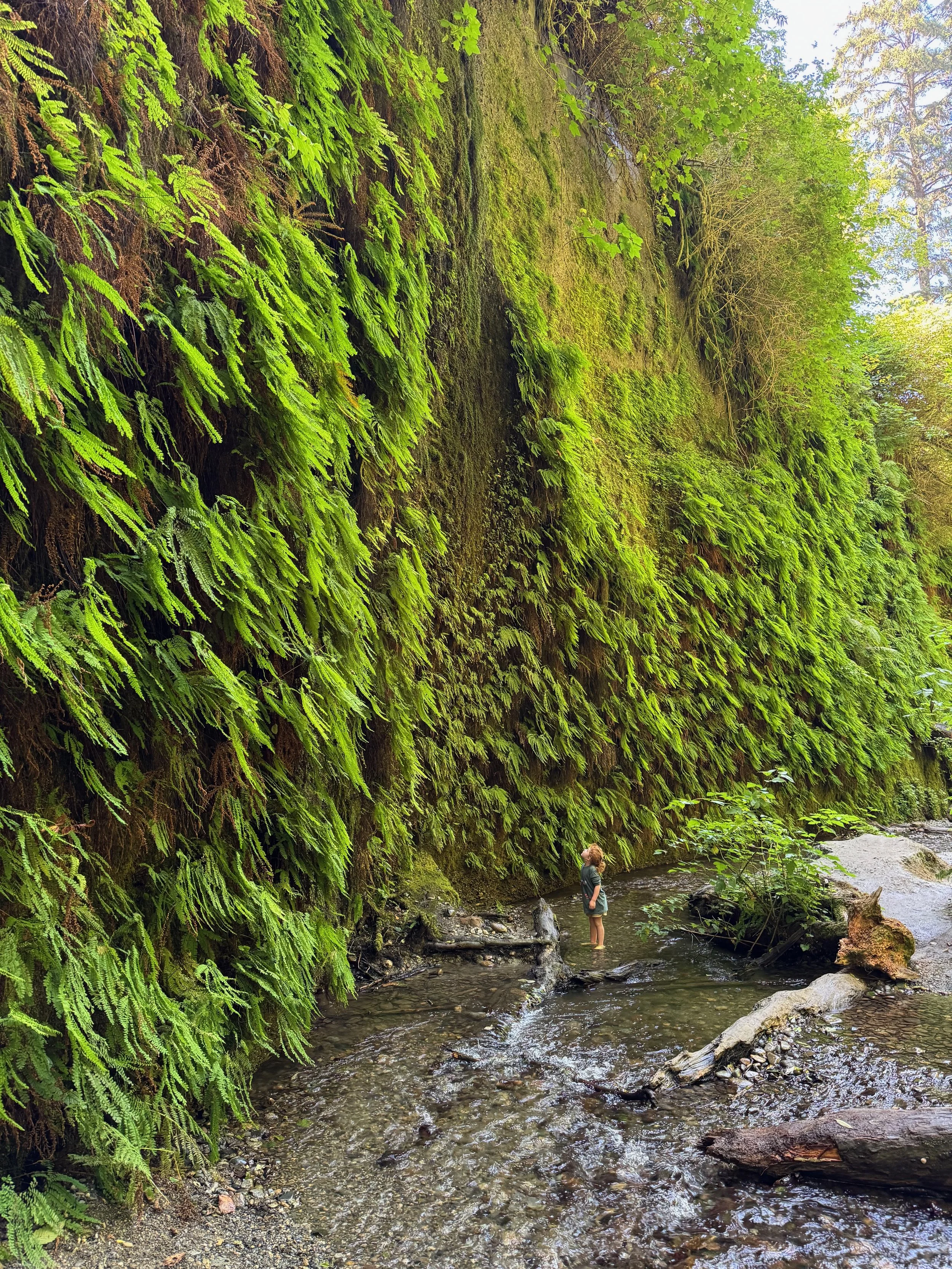
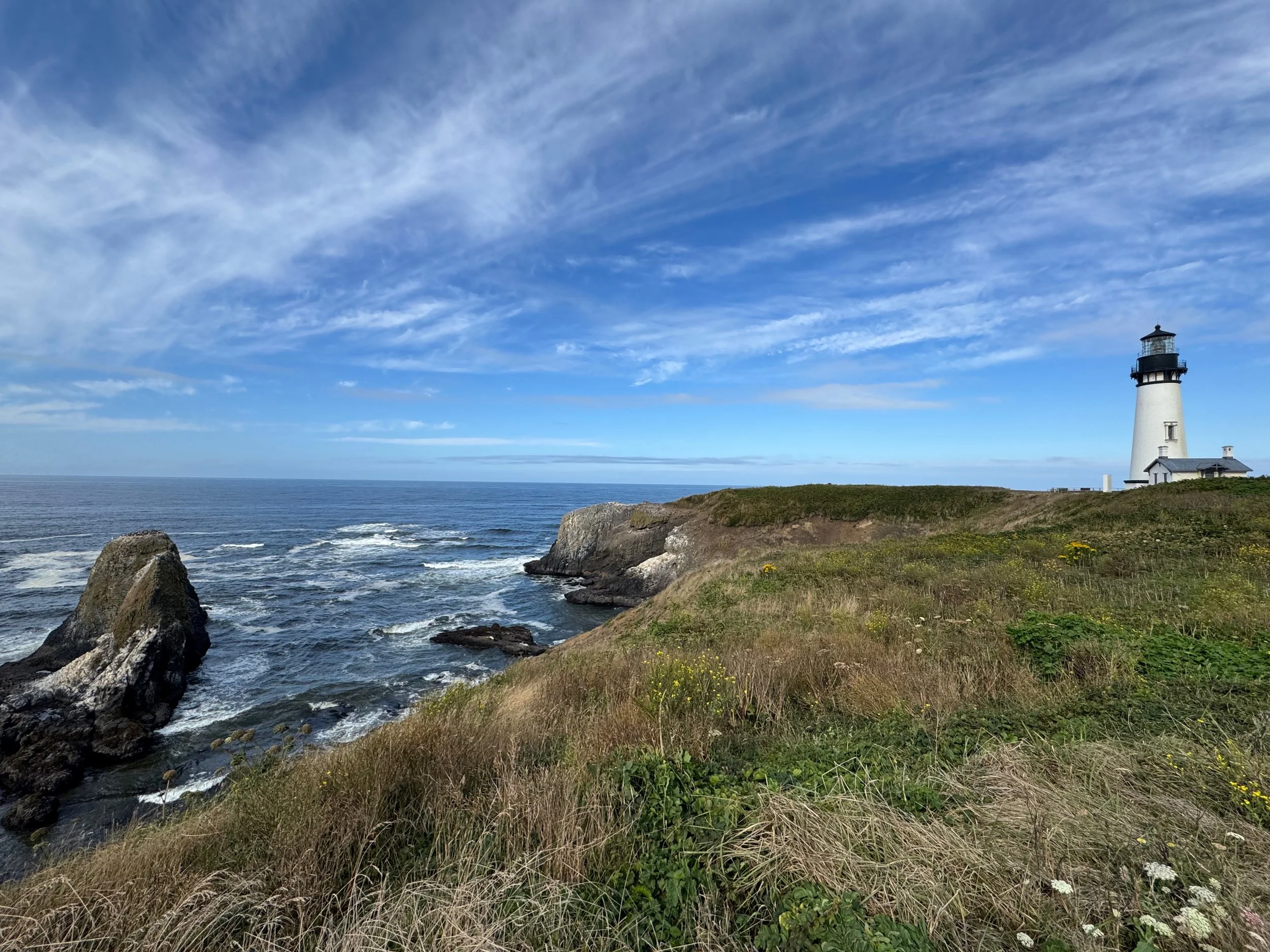
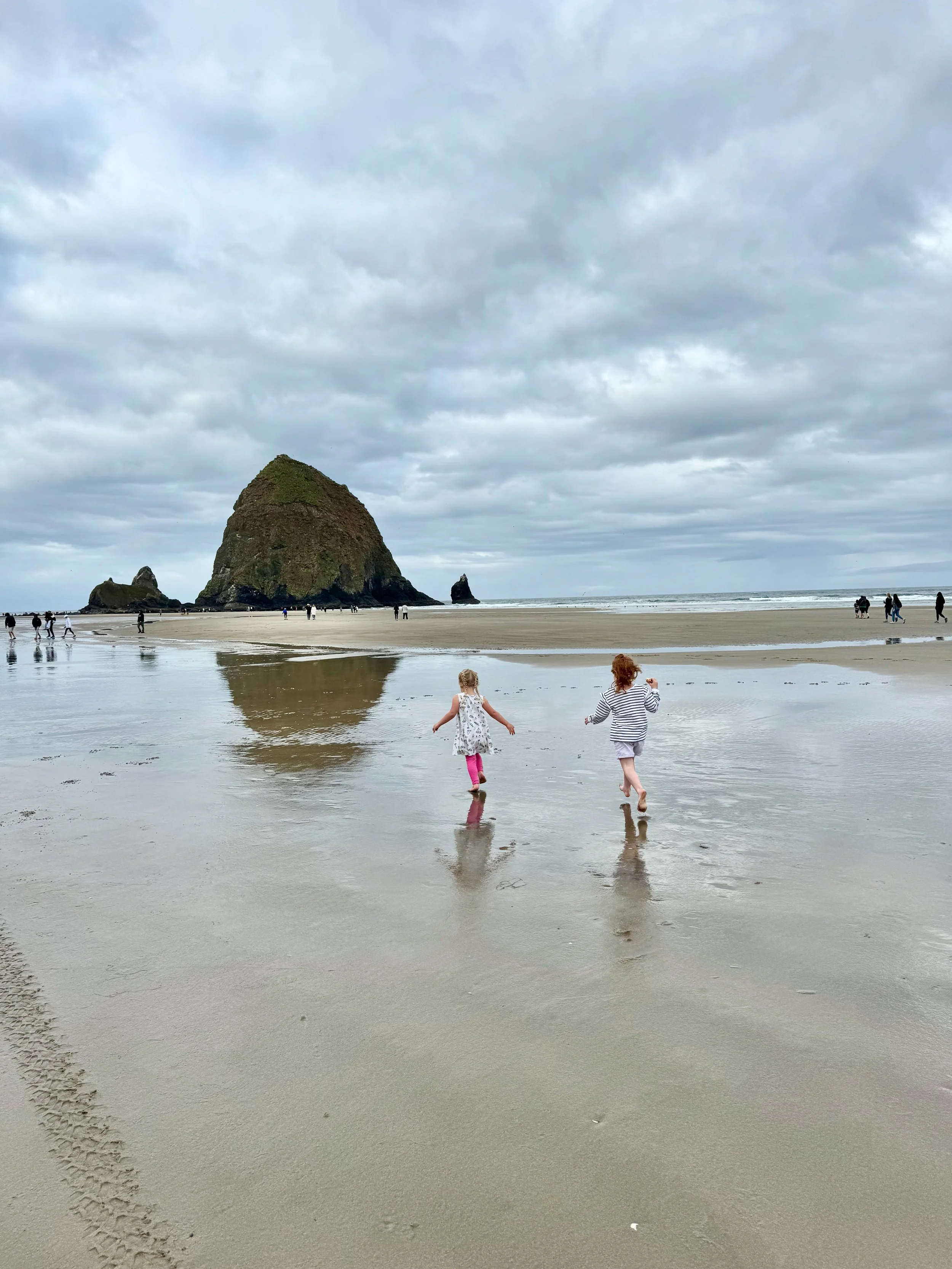
Whidbey Island is one of our favorite day trips from Seattle for both locals of the Pacific Northwest and visitors. This picturesque island has it all - cute towns, hiking trails, nature to explore, public art displays, great food and spots to view wildlife. You can access the island both on the ferry or by going across the famous Deception Pass bridge.